


When I think about insulation products today, I no longer see them only as materials that reduce heat loss, soften sound, protect surfaces, or absorb impact, because in modern industry every material also carries a responsibility for human health, environmental safety, regulatory trust, and long term sustainability 😊. A foam sheet used in HVAC, a pipe insulation layer, a packaging insert for electronics, or a polyethylene foam component in automotive and construction applications may look simple from the outside, yet behind that product there should be a careful material selection process that considers restricted substances, chemical safety, traceability, and responsible production. This is exactly why REACH and RoHS standards are so important for insulation materials, because they help manufacturers, buyers, engineers, exporters, and end users speak the same language of safety and compliance. The European Commission describes REACH as the main EU law for protecting human health and the environment from chemical risks, while the official RoHS Directive currently restricts ten hazardous substances in electrical and electronic equipment, including lead, mercury, cadmium, hexavalent chromium, PBB, PBDE, DEHP, BBP, DBP, and DIBP.
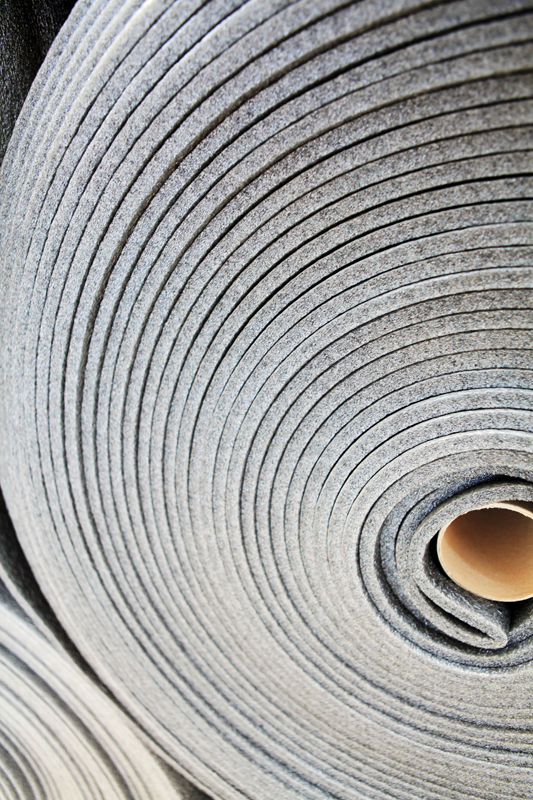
As a polyethylene foam manufacturer, Durfoam approaches insulation and protective foam production with the understanding that performance and safety should move together, because a material that insulates well but creates chemical compliance uncertainty can become a hidden risk for exporters, OEM suppliers, building product distributors, and electronics related industries. In my experience, the most reliable material decisions are not the ones that focus only on price or thickness, but the ones that ask better questions from the beginning: What substances are used in the material? Does the foam support the customer’s compliance documentation needs? Can it be used safely in target sectors? Does it resist moisture, dust, heat transfer, sound transfer, and impact while also respecting regulatory expectations? These questions may sound detailed, but they are exactly the questions that help a product move confidently from factory to market.
Why REACH Matters for Insulation Product Manufacturing
REACH stands for Registration, Evaluation, Authorisation and Restriction of Chemicals, and even though the full name sounds technical, the practical idea is easy to understand: chemicals used in products should be identified, assessed, controlled, and restricted when they create unacceptable risks. For insulation products, this matters because foams, adhesives, films, coatings, lamination layers, tapes, pigments, and additives may all become part of a final product, and each layer should be considered through a responsible material safety lens. The ECHA Candidate List also matters because substances of very high concern can create communication and substitution responsibilities in supply chains, so manufacturers that export or supply European connected markets need to follow these developments carefully.
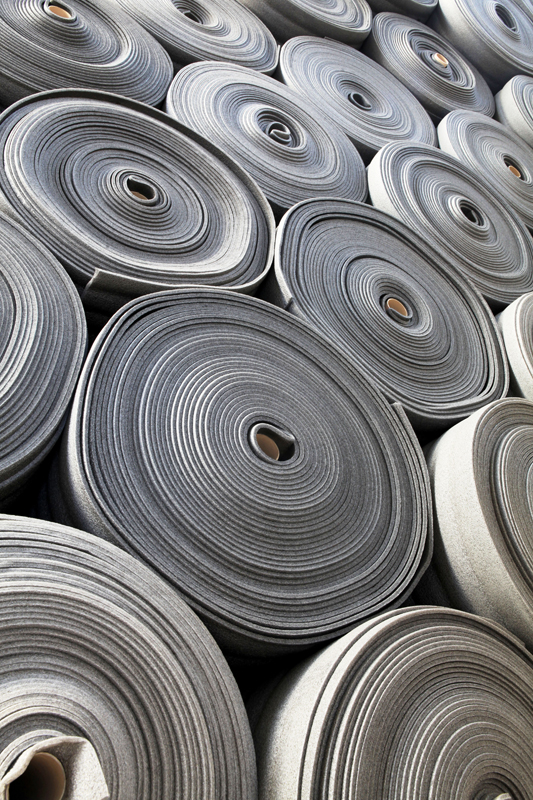
I like to compare REACH awareness to checking the ingredients of a meal before serving it to a large group of people 🍲. If the meal tastes good but nobody knows what is inside, trust becomes fragile; if the ingredients are clear, controlled, and suitable for the people eating it, the whole experience becomes safer and more confident. In the same way, insulation materials should not be selected only because they are light, flexible, and economical; they should also be selected because their chemical profile can support responsible use. A pe foam manufacturer with a strong material selection process helps customers reduce uncertainty, especially in sectors such as construction, HVAC, medical packaging, automotive, electronics, white goods, and industrial packaging where compliance expectations often travel together with product performance.
Why RoHS Is Important for Foam Used Around Electronics and Electrical Products
RoHS is especially important when insulation or protective foam is used in or around electrical and electronic equipment, because the directive focuses on restricting hazardous substances in that product category. This does not mean every foam application automatically falls under the same RoHS responsibility, because the final product scope, use case, and legal role of each supply chain actor should be evaluated carefully, yet it does mean that suppliers serving electronics, white goods, cable protection, device packaging, appliance insulation, and electrical assembly markets should understand RoHS expectations clearly. When a foam is used to protect an electronic device during transport, separate components inside packaging, insulate certain system areas, or serve as part of an electrical product assembly, customers may ask for RoHS related declarations as part of their supplier quality process.
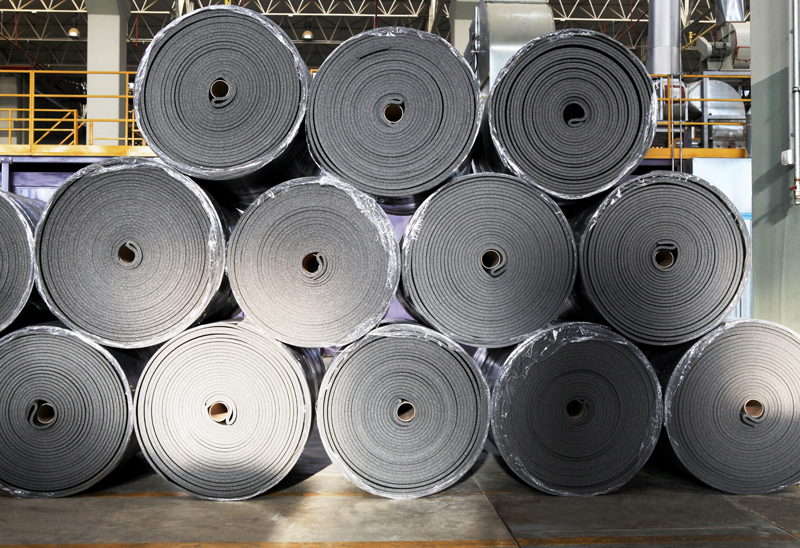
This is where Durfoam can support a more reliable supply chain conversation, because RoHS aware material production helps customers avoid last minute documentation stress and reduces the risk of non compliant material choices entering sensitive product categories. In real business life, compliance is not just a legal topic; it is a trust topic. A buyer wants confidence, a quality manager wants documentation, a production team wants consistency, and an exporter wants fewer surprises at the border or during customer audits. I always think of RoHS as a safety filter in the product journey, because it helps prevent hazardous substances from quietly entering electrical and electronic equipment where they may create environmental and health concerns later.
| Standard | Main Purpose | Why It Matters for Insulation Products | Practical Benefit for Customers |
|---|---|---|---|
| REACH | Controls chemical risks to protect human health and the environment | Encourages safer material selection, substance awareness, and supply chain communication | More reliable export readiness and stronger chemical safety confidence |
| RoHS | Restricts specific hazardous substances in electrical and electronic equipment | Important for foam used in electronics, white goods, cables, appliances, and related packaging or assemblies | Supports OEM supplier requirements and product compliance documentation |
| Closed cell PE foam performance | Provides moisture resistance, insulation support, and cushioning | Helps create durable and safe insulation or protection layers | Better technical performance with cleaner material selection logic |
| Responsible production | Combines performance, traceability, and material safety | Reduces uncertainty in sectors with strict customer requirements | Stronger trust in long term supplier relationships |
Safe Material Selection Begins Before Production
A sustainable and safe insulation product does not begin at the cutting machine, the lamination line, or the packaging station; it begins much earlier, at the material selection and formulation stage, where the manufacturer decides which polymers, additives, films, adhesives, pigments, and process aids are suitable for the intended application. This early stage is important because it is much easier to prevent a restricted substance problem before production than to solve it after the product has already entered the supply chain. A physically cross linked polyethylene foam manufacturer may focus on refined foam structures for high expectation applications, while a chemically cross linked polyethylene foam manufacturer may support durable insulation and protection applications, and in both cases the compliance mindset should be part of the product design conversation rather than an afterthought.
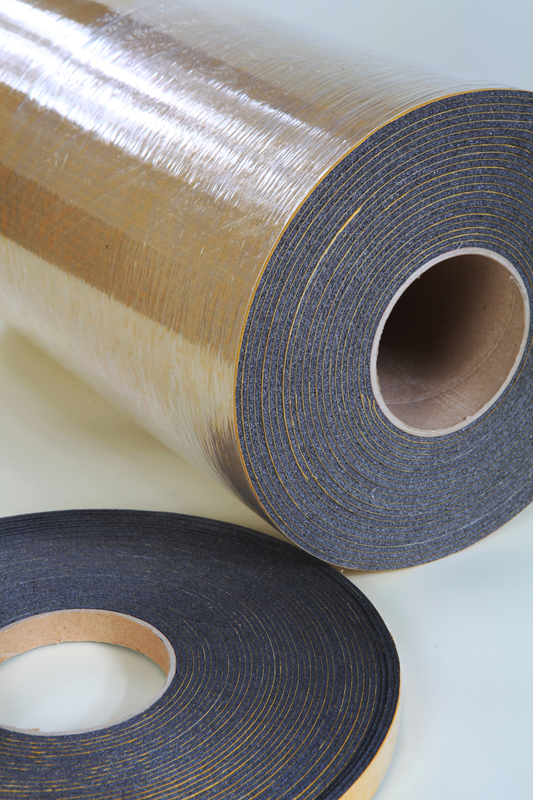
For example, imagine an insulation foam used in an HVAC component for an electrical appliance manufacturer. The foam may need to resist moisture, reduce heat transfer, provide cushioning, avoid dust creation, fit into a tight space, and remain stable during product use. If the customer also exports to markets where REACH and RoHS expectations are evaluated, the material must not only perform technically, it must also support the customer’s compliance documentation and supplier approval process. In that moment, the foam becomes more than a soft insulation layer; it becomes a small but important part of the manufacturer’s regulatory confidence. This is why I believe compliance ready materials are like strong foundations in a building 🏗️; people may not always see them, but everything above them feels safer because they are there.
Polyethylene Foam and Sustainability: More Than One Dimension
Sustainability in insulation products should be understood in a broad and honest way, because it is not only about one label or one claim, but about the full relationship between material performance, durability, waste reduction, safer chemistry, energy saving, product protection, and responsible use. Polyethylene foam can support sustainability goals in several practical ways when selected correctly: it can reduce product damage during transport, help improve thermal insulation performance, resist moisture related deterioration, protect sensitive goods from dust and impact, and remain lightweight enough to reduce unnecessary transport burden. A polyethylene foam manufacturer can therefore contribute to sustainability not only by producing foam, but by helping customers use the right foam in the right amount for the right purpose.
Of course, sustainability also requires responsible claims, because no serious manufacturer should turn every product feature into exaggerated environmental language. A foam product can support better energy efficiency, safer packaging, lower damage rates, and longer product life, but every claim should be connected to the actual application, testing, documentation, and customer use case. This is the EEAT friendly way to talk about materials: share experience, explain the technical logic clearly, avoid unrealistic promises, and help the buyer understand what the product can and cannot do. In my view, this kind of honesty creates stronger trust than any dramatic slogan.
Insulation Products Where REACH and RoHS Awareness Adds Value
REACH and RoHS awareness adds special value in sectors where insulation products interact with sensitive supply chains. In electronics and white goods, foam may be used for protective packaging, internal cushioning, sealing, vibration reduction, or thermal separation, and customers may request RoHS related documentation. In HVAC systems, polyethylene foam may be used for duct insulation, pipe insulation, condensation control, and energy saving, where chemical safety and long term durability both matter. In automotive and railway applications, insulation materials may support acoustic comfort, dust isolation, impact protection, and lightweighting, while global OEM standards often include strict restricted substance requirements. In medical product packaging, hygiene perception, clean surface behavior, moisture resistance, and chemical confidence all become part of the quality conversation.
This is why a pe foam manufacturer, a physically cross linked polyethylene foam manufacturer, and a chemically cross linked polyethylene foam manufacturer should not only talk about density, thickness, roll width, or color, but also about how the material fits the customer’s safety, compliance, and documentation expectations. When a buyer feels that the supplier understands both performance and compliance, the relationship becomes much more professional and sustainable.

How I Would Evaluate a REACH and RoHS Focused Insulation Supplier
If I were evaluating an insulation product supplier for a compliance sensitive project, I would first ask whether the material family is clearly defined, whether the product is intended for packaging, HVAC, automotive, construction, medical, electronics, or general industrial use, and whether the supplier can support declarations or documentation requested by the customer. I would also ask how often restricted substance lists are reviewed, whether raw material changes are controlled, whether lamination or adhesive layers are included in compliance evaluation, and whether the supplier can explain the difference between general material performance and regulatory suitability for a specific final product. These questions are not meant to create bureaucracy; they are meant to prevent confusion before production begins.
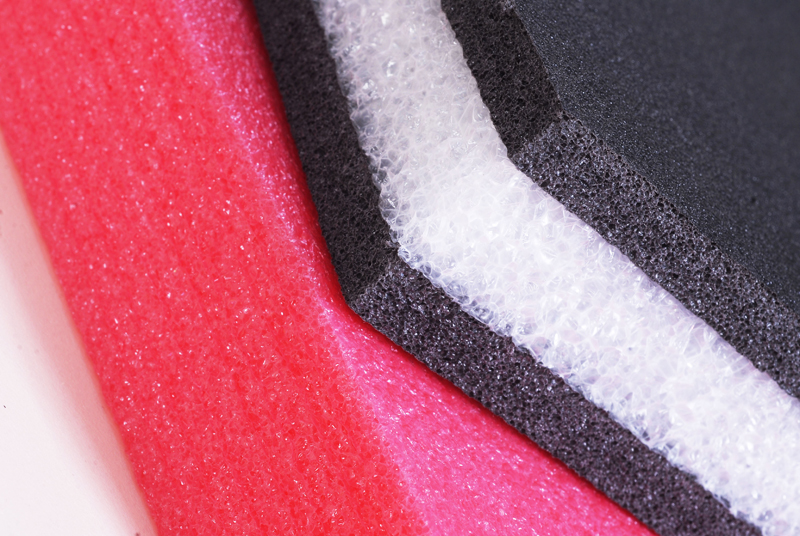
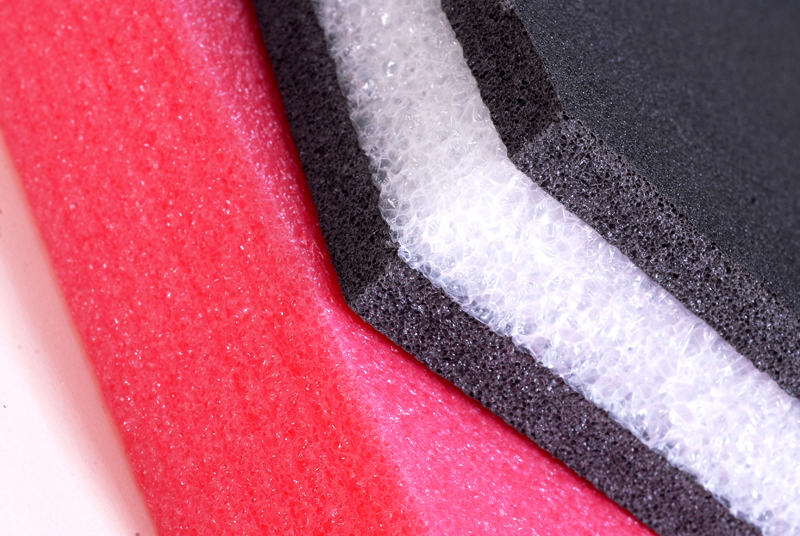
In practical terms, I would never evaluate only the foam core while ignoring adhesive tapes, aluminum films, decorative films, fabric laminations, printing inks, or coatings, because many insulation products are multi layer systems. If the final part includes foam plus tape plus film, the compliance conversation should consider the full product construction rather than only the foam base. This is especially important for customers in electronics, appliances, and export markets, because a small non compliant layer can create the same supply chain problem as a larger non compliant component. A polyethylene foam manufacturer with responsible converting and documentation awareness can help customers avoid this trap.
Key Insights for Sustainable and Safe Insulation Production
The first key insight is that REACH and RoHS compliance should be considered early in the product development and supplier selection process, not only when a customer asks for a document. The second insight is that insulation products often include more than one material layer, so foam, adhesive, film, lamination, colorant, and coating choices should be evaluated together. The third insight is that closed cell polyethylene foam can support moisture resistance, thermal insulation, sound insulation, dust protection, and impact cushioning, but these performance benefits become stronger when combined with safer material selection. The fourth insight is that sustainability means reducing risk, waste, damage, energy loss, and uncertainty, not simply using fashionable language. The fifth insight is that Durfoam helps customers think about insulation products as both technical and responsible materials, which is exactly what modern supply chains increasingly expect.
The sixth insight is that customers should follow regulatory updates because restricted substance requirements can change over time, and official sources such as the European Commission and ECHA are the safest references for current developments. The seventh insight is that supplier communication matters, because a good material partner should explain where REACH and RoHS are relevant, where they are not directly applicable, and what documentation can be provided for a specific product. The eighth insight is that a pe foam manufacturer, physically cross linked polyethylene foam manufacturer, and chemically cross linked polyethylene foam manufacturer perspective gives customers a more complete material selection path across economical, premium, and technical insulation needs.
Conclusion: Safe Insulation Materials Build Stronger Trust
REACH and RoHS standards remind us that insulation products should be evaluated not only by how well they reduce heat transfer, absorb impact, resist moisture, or improve acoustic comfort, but also by how responsibly they fit into modern chemical safety and restricted substance expectations. For manufacturers and buyers, this means choosing foam products with clear material logic, reliable performance, responsible supply chain awareness, and documentation support where required. For exporters and OEM suppliers, it means reducing uncertainty before products enter demanding markets. For end users, it means safer and more trustworthy material choices in the products and buildings around them.
In the end, I see sustainable and safe insulation production as a bridge between engineering and responsibility 🌿. One side of the bridge carries performance, including thermal insulation, sound control, moisture resistance, cushioning, and lightness, while the other side carries compliance, safety, environmental awareness, and trust. When these two sides meet, the result is not just a better foam product, but a better material decision. With the expertise of Durfoam, customers can approach insulation products with a clearer understanding of both performance and responsibility, and that is exactly why REACH and RoHS awareness should be part of every serious conversation about modern polyethylene foam solutions.