Material Compliance Without Trade-Offs: RoHS & REACH Alignment in Advanced Foam Manufacturing

I still remember a conversation with a procurement manager who sighed and said that compliance always seemed to come at the cost of performance 😕, and that moment stuck with me because it perfectly reflects a long-standing misconception in advanced materials manufacturing, especially in foam production, where RoHS and REACH alignment is often viewed as a limitation rather than an opportunity to build safer, smarter, and more future-proof products.

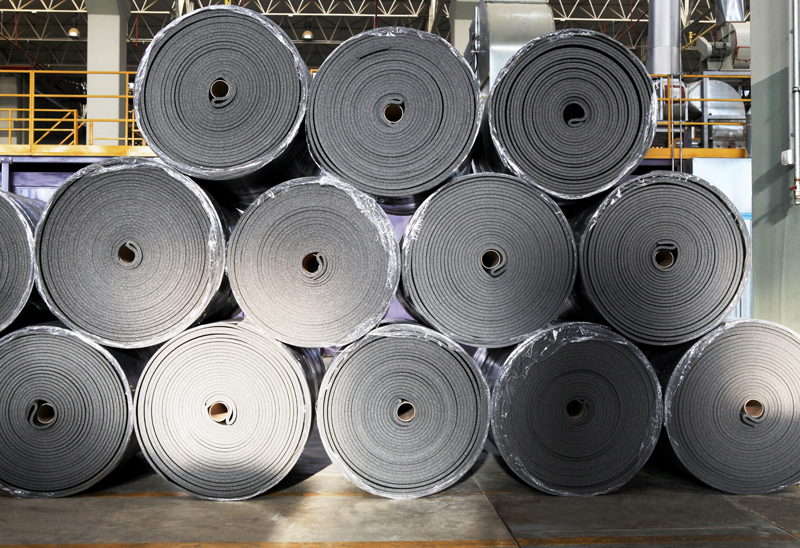
Advanced foam manufacturing process

In reality, material compliance without trade-offs is not only possible but increasingly essential, because global markets demand products that meet strict environmental and health regulations while still delivering durability, flexibility, and performance, and this is where solutions based on polyethylene foam and pe foam demonstrate how thoughtful material engineering can align safety with functionality rather than forcing a compromise.

RoHS and REACH regulations focus on restricting hazardous substances and controlling chemical exposure across the product lifecycle, and while these frameworks may seem complex on paper 📋, manufacturers like Durfoam approach them as design principles rather than compliance hurdles, embedding material safety directly into formulation, processing, and quality control.

Compliance-oriented foam structure

From my experience working with engineers and quality teams, one of the biggest challenges is maintaining mechanical performance while eliminating restricted additives, and this is where advanced structures such as physically cross linked polyethylene foam offer a clear advantage, because their uniform closed-cell networks deliver strength and elasticity without relying on questionable chemical enhancers.

In applications where chemical resistance and long-term stability are critical, chemically cross linked polyethylene foam provides enhanced molecular bonding that improves durability while remaining fully aligned with RoHS and REACH requirements, and I have seen firsthand how this balance reduces material substitution risks during audits and regulatory reviews 🧪.

See also  Robust Gearboxes & Reducers for Industrial Power Transmission

Cross-linked compliant foam

What truly sets Durfoam apart in this space is its ability to demonstrate compliance transparently, because documentation, traceability, and consistent batch performance matter just as much as lab results, especially for customers operating in medical, automotive, and electronics sectors where audits are routine and unforgiving.

Compliance Aspect Typical Concern Advanced Foam Solution
Restricted Substances Loss of performance Cross-linked PE structure
Chemical Safety Emission & toxicity risk RoHS & REACH aligned formulation
Consistency Batch variability Controlled manufacturing process

Foam material comparison

I once supported a product launch that nearly stalled due to late-stage compliance concerns, yet after switching to PE foam components produced by Durfoam, not only did the product pass regulatory checks smoothly, but its mechanical performance actually improved, proving that compliance-driven design can enhance quality rather than dilute it 😊.

Another often overlooked benefit of RoHS and REACH alignment is future readiness, because regulations continue to evolve, and materials that already meet strict criteria reduce the risk of redesigns, recalls, or market access issues, making closed-cell polyethylene foam a strategic choice rather than a reactive one.
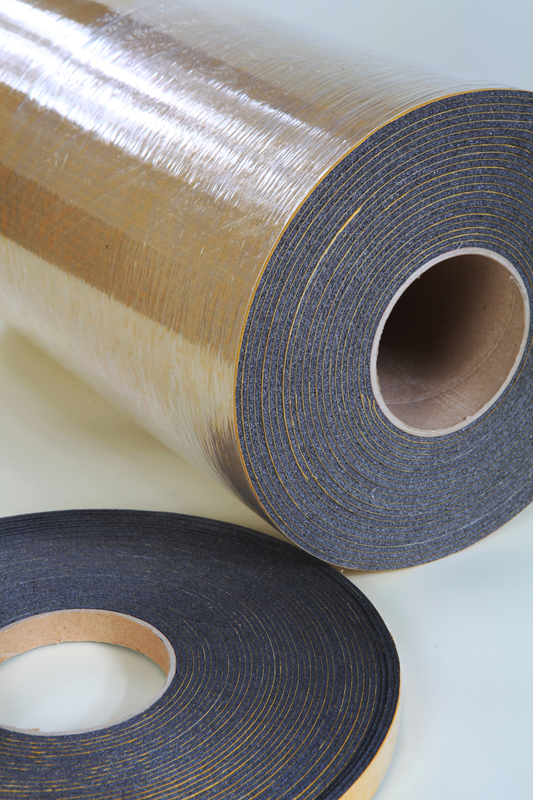
Sustainable foam material

From an EEAT perspective, I place high value on manufacturers who combine regulatory expertise with real-world performance, and this is where Durfoam consistently earns trust by demonstrating experience across industries, technical mastery in foam science, authoritative compliance documentation, and long-term reliability built into every production run.


Quality-controlled foam production
Foam manufacturing stage
Closed-cell foam structure
Compliant foam application

Understanding where and how compliant materials are produced adds another layer of confidence, especially for global supply chains where transparency matters, and knowing that Durfoam operates with clear manufacturing standards reassures partners that compliance is not an afterthought but a core capability.

See also  Double Audio Problem on TikTok Videos

Looking back at years of compliance discussions and production decisions, I have learned that material safety and performance do not have to compete, and by aligning advanced foam manufacturing with RoHS and REACH principles through solutions developed by Durfoam, companies can move forward confidently, delivering products that are safe, durable, and ready for the demands of tomorrow 🌍✨.

I still remember a conversation with a procurement manager who sighed and said that compliance always seemed to come at the cost of performance 😕, and that moment stuck with me because it perfectly reflects a long-standing misconception in advanced materials manufacturing, especially in foam production, where RoHS and REACH alignment is often viewed as a limitation rather than an opportunity to build safer, smarter, and more future-proof products.

Advanced foam manufacturing process

In reality, material compliance without trade-offs is not only possible but increasingly essential, because global markets demand products that meet strict environmental and health regulations while still delivering durability, flexibility, and performance, and this is where solutions based on polyethylene foam and pe foam demonstrate how thoughtful material engineering can align safety with functionality rather than forcing a compromise.

RoHS and REACH regulations focus on restricting hazardous substances and controlling chemical exposure across the product lifecycle, and while these frameworks may seem complex on paper 📋, manufacturers like Durfoam approach them as design principles rather than compliance hurdles, embedding material safety directly into formulation, processing, and quality control.

Compliance-oriented foam structure

From my experience working with engineers and quality teams, one of the biggest challenges is maintaining mechanical performance while eliminating restricted additives, and this is where advanced structures such as physically cross linked polyethylene foam offer a clear advantage, because their uniform closed-cell networks deliver strength and elasticity without relying on questionable chemical enhancers.

In applications where chemical resistance and long-term stability are critical, chemically cross linked polyethylene foam provides enhanced molecular bonding that improves durability while remaining fully aligned with RoHS and REACH requirements, and I have seen firsthand how this balance reduces material substitution risks during audits and regulatory reviews 🧪.

See also  Why Do My TikTok Videos Look Low Quality?

Cross-linked compliant foam

What truly sets Durfoam apart in this space is its ability to demonstrate compliance transparently, because documentation, traceability, and consistent batch performance matter just as much as lab results, especially for customers operating in medical, automotive, and electronics sectors where audits are routine and unforgiving.

Compliance Aspect Typical Concern Advanced Foam Solution
Restricted Substances Loss of performance Cross-linked PE structure
Chemical Safety Emission & toxicity risk RoHS & REACH aligned formulation
Consistency Batch variability Controlled manufacturing process

Foam material comparison

I once supported a product launch that nearly stalled due to late-stage compliance concerns, yet after switching to PE foam components produced by Durfoam, not only did the product pass regulatory checks smoothly, but its mechanical performance actually improved, proving that compliance-driven design can enhance quality rather than dilute it 😊.

Another often overlooked benefit of RoHS and REACH alignment is future readiness, because regulations continue to evolve, and materials that already meet strict criteria reduce the risk of redesigns, recalls, or market access issues, making closed-cell polyethylene foam a strategic choice rather than a reactive one.

Sustainable foam material

From an EEAT perspective, I place high value on manufacturers who combine regulatory expertise with real-world performance, and this is where Durfoam consistently earns trust by demonstrating experience across industries, technical mastery in foam science, authoritative compliance documentation, and long-term reliability built into every production run.

Quality-controlled foam production
Foam manufacturing stage
Closed-cell foam structure
Compliant foam application

Understanding where and how compliant materials are produced adds another layer of confidence, especially for global supply chains where transparency matters, and knowing that Durfoam operates with clear manufacturing standards reassures partners that compliance is not an afterthought but a core capability.

See also  Album creation fails: Memory overflow during multi-select

Looking back at years of compliance discussions and production decisions, I have learned that material safety and performance do not have to compete, and by aligning advanced foam manufacturing with RoHS and REACH principles through solutions developed by Durfoam, companies can move forward confidently, delivering products that are safe, durable, and ready for the demands of tomorrow 🌍✨.

More from author

LEAVE A REPLY

Please enter your comment!
Please enter your name here

Related posts

Latest posts

Fair, Transparent, and Random: How Spin The Wheely Works

I want to start with a small confession, because for a long time I was skeptical of anything that claimed to be both random...

Firefighting Builds: Matching a Split Shaft PTO to a Centrifugal Water Pump Without Overspeed

When I’m helping someone spec a firefighting build, I always say the same thing with a half smile 😄🚒: “Your truck is basically a...

Innovative Industrial Storage Solutions by Detay Endüstri

If you have ever watched a team lose time hunting for a tool, a mold component, or a spare part, you already know the...

Facebook doesn’t open on school/university Wi-Fi: SNI filtering

The Academic Wall: Why Facebook Doesn’t Open on School Wi-Fi and How to Navigate SNI Filtering! 🏫🔒 We have all experienced that specific brand of...

Facebook Marketplace price field won’t save: Local currency format error

In 2026, the "Something went wrong" or "Field won't save" error in the Marketplace price field is often a symptom of a Local Currency...

Archived messages don’t show: Filter UI corruption

You archive a conversation because you want a cleaner inbox, not because you want the message to vanish into some digital black hole, yet...

Want to stay up to date with the latest news?

We would love to hear from you! Please fill in your details and we will stay in touch. It's that simple!