

I want to start with a small confession, because for a long time I was skeptical of anything that claimed to be both random and fair at the same time, especially online tools, since so many platforms promise transparency but quietly hide their logic behind flashy animations, and that skepticism stayed with me until I actually spent time using Spin The Wheely in real situations where fairness really mattered, like group decisions, classroom picks, and small online draws, and that is when I realized that fairness is not just about randomness, but about how clearly people can see and understand the process 😊.
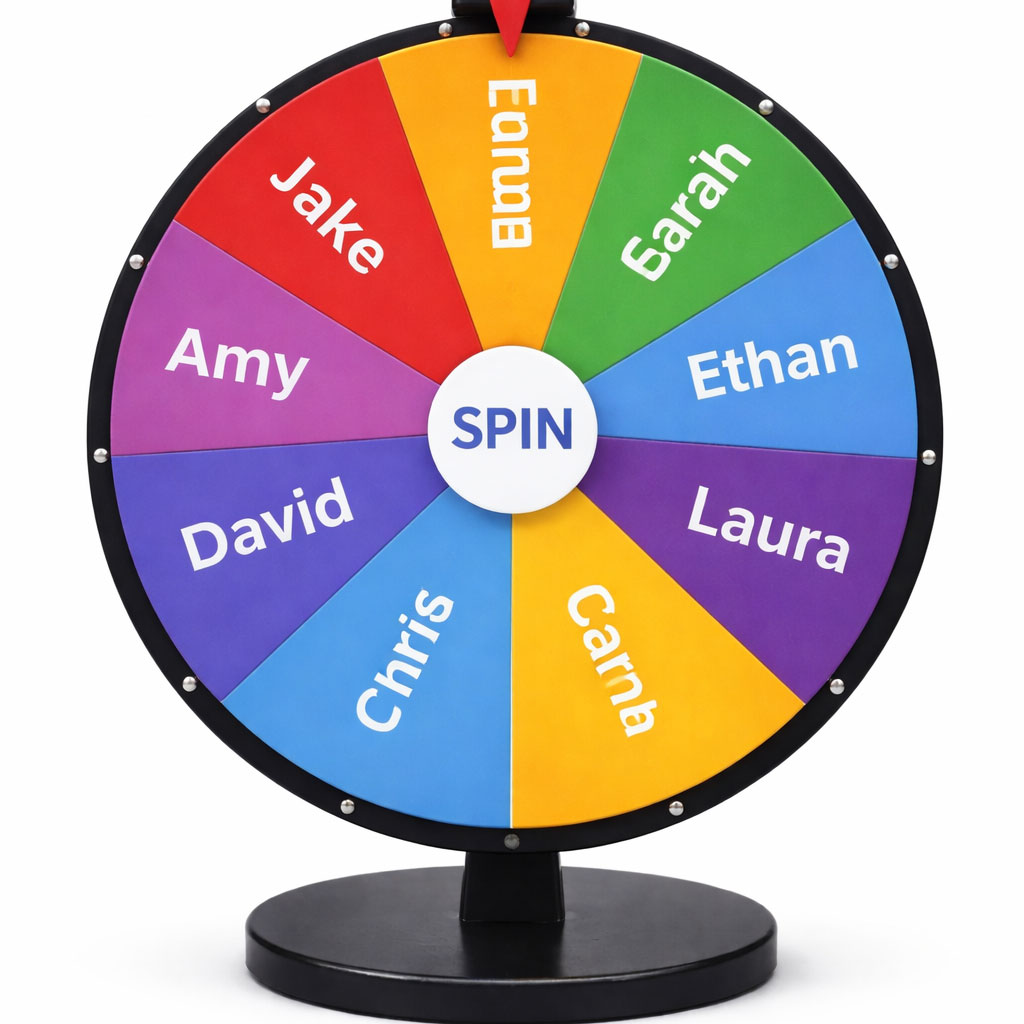
At its core, Spin The Wheely works by combining three elements that people instinctively trust, which are visual clarity, equal probability, and user controlled input, and when these elements come together through tools like spin the wheel or a customizable wheel spinner, the decision no longer feels like something happening behind the curtain, but something unfolding right in front of you 🎡.
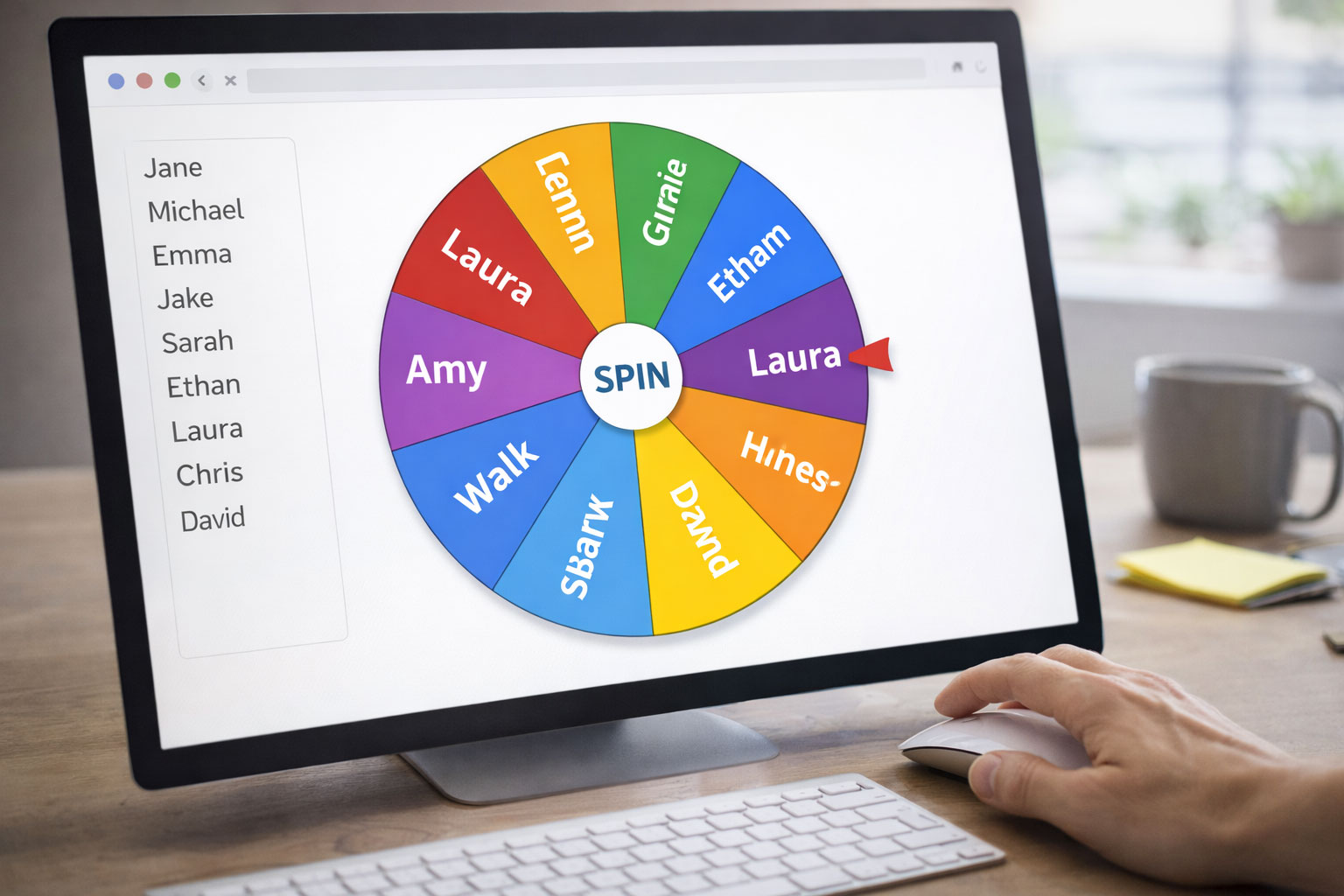
What makes this system feel genuinely transparent is that you control the inputs completely, because whether you are adding names, numbers, or simple options, you can see every entry before the wheel spins, and that visibility is crucial, especially in group environments where trust depends on shared understanding rather than blind acceptance, which is why tools like a wheel of names or a random name generator are so effective in classrooms, meetings, and events 😄.
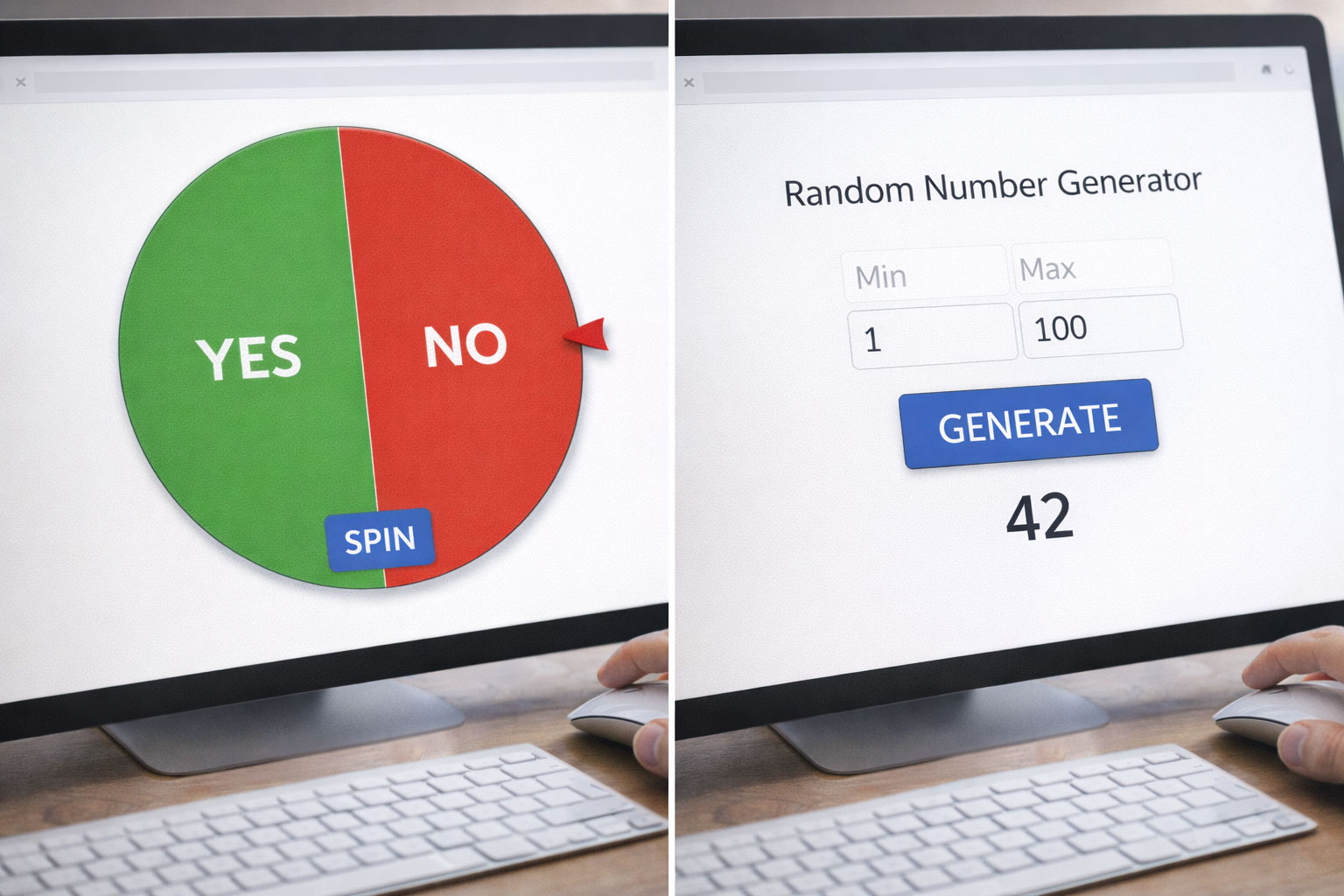
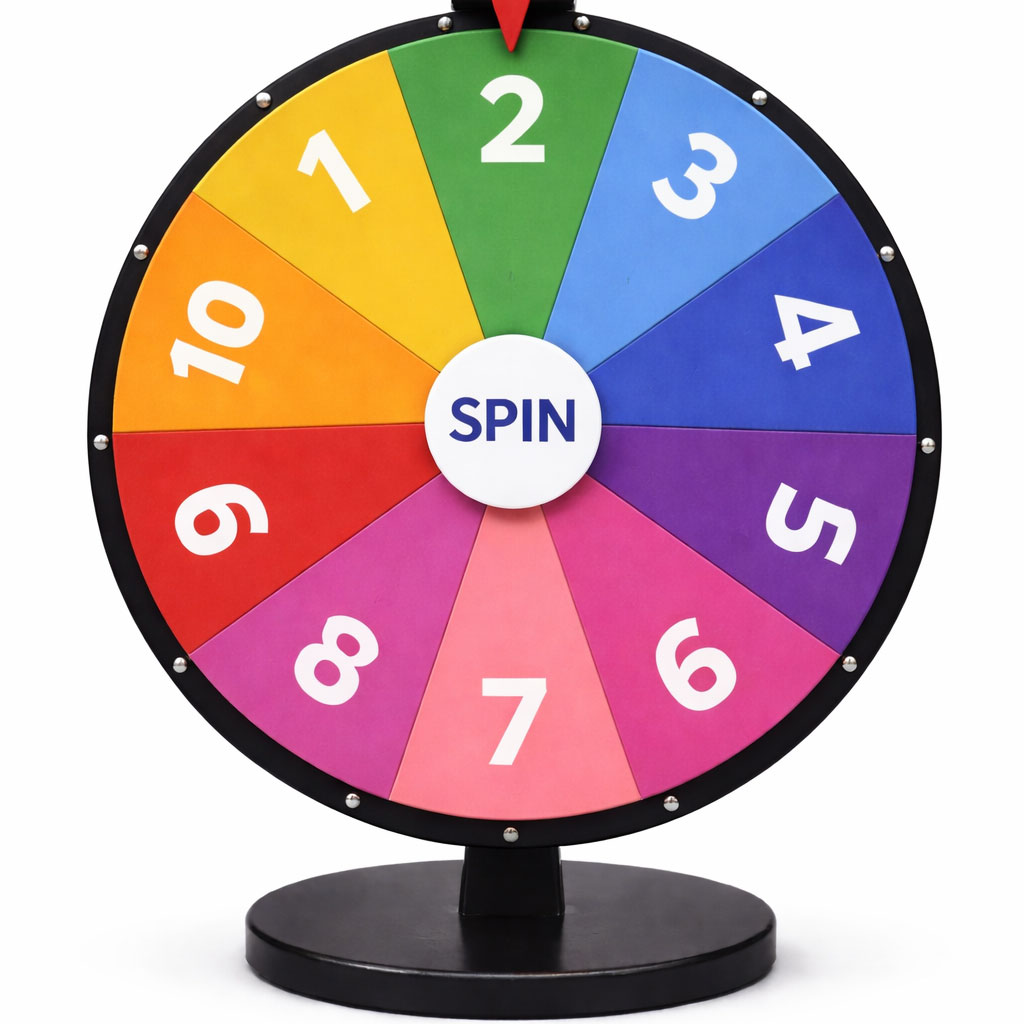
Randomness itself is often misunderstood, because people assume random means chaotic or unreliable, when in reality true randomness is one of the fairest systems we have, since every option has an equal chance of being selected, and when Spin The Wheely applies that principle visually, the result feels intuitive rather than abstract, especially when using number based tools like a random number generator or a number generator, where transparency is essential 🎯.

To make this clearer, I often explain how fairness, transparency, and randomness work together by comparing spinning wheels to other common decision methods, because seeing the contrast helps people understand why the experience feels more trustworthy almost immediately.
| Decision Method | Transparency | Fairness | User Trust |
|---|---|---|---|
| Manual selection | Low | Low | Often questioned |
| Hidden algorithm | Very low | Unclear | Low |
| Visible spin wheel | High | High | High |
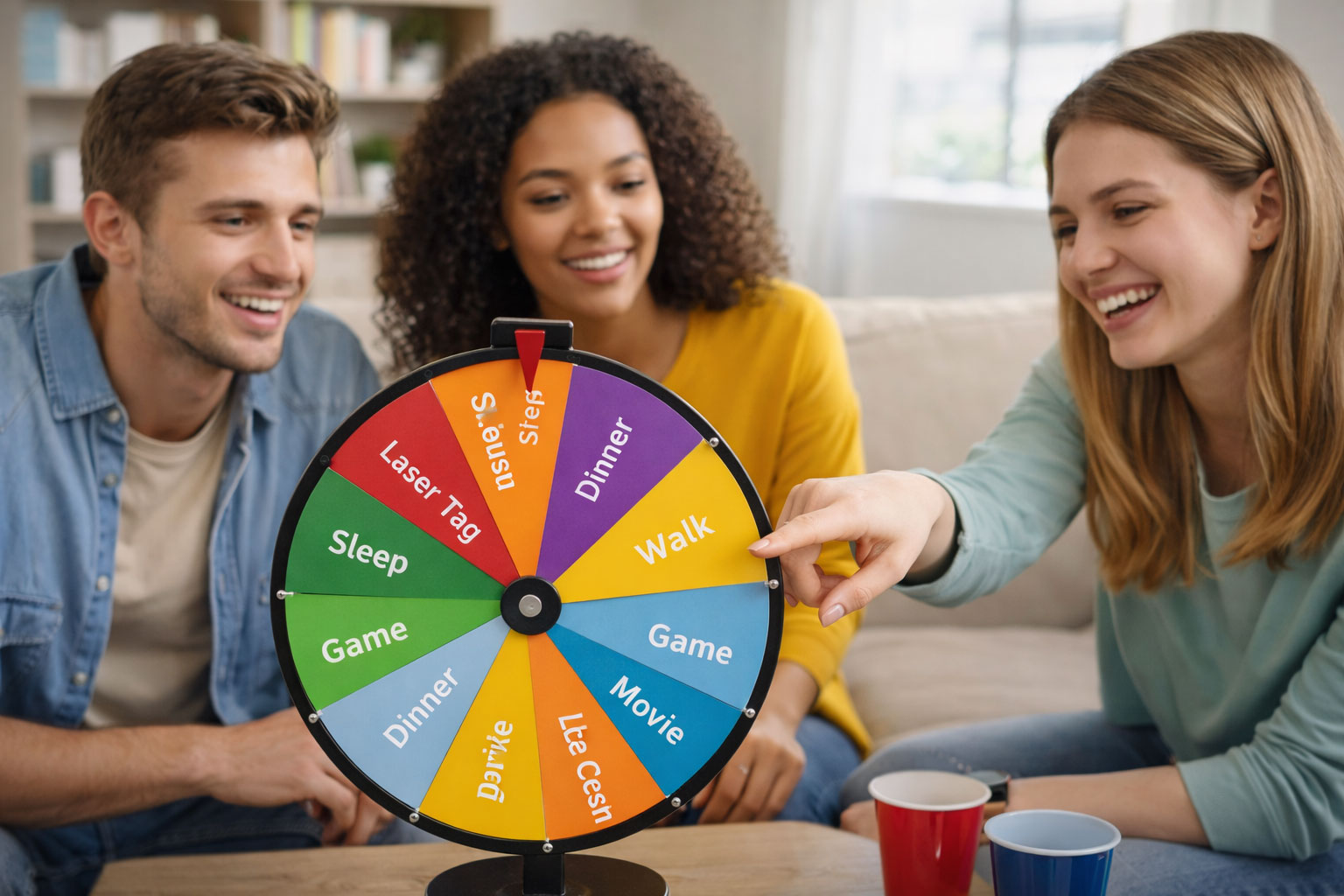
Another important aspect of how Spin The Wheely works is emotional acceptance, because even the fairest system fails if people do not feel comfortable with the outcome, and watching a spinner wheel slow down and land on a result gives the brain a moment to adjust, which is very different from instantly seeing a name appear on a list, and that moment of anticipation makes outcomes easier to accept 😌.
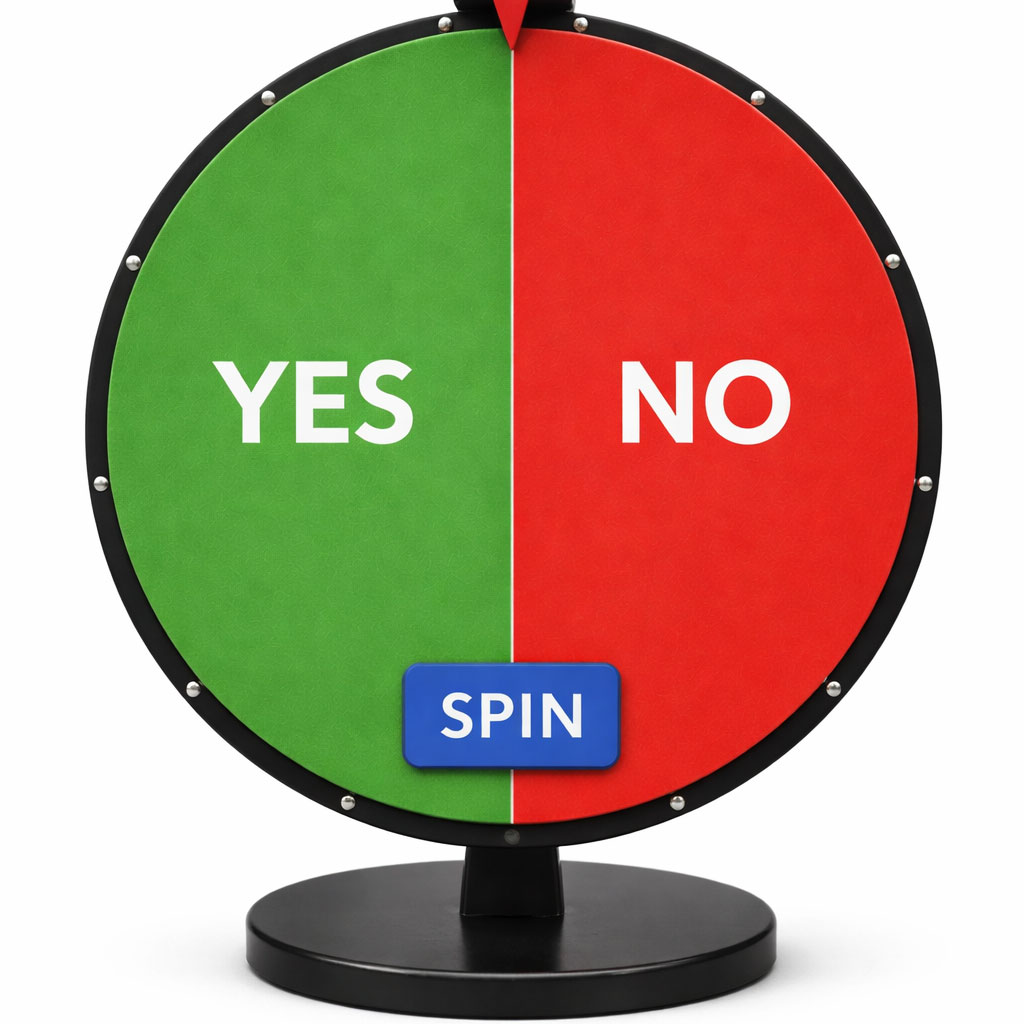
This effect becomes even more noticeable in yes or no situations, because binary decisions often feel emotionally loaded, and using a yes or no wheel or a simple yes or no spinner creates a clean break from overthinking, allowing people to react honestly to the result and move forward without lingering doubt 😅.
One thing I personally appreciate is that Spin The Wheely does not try to disguise randomness as intelligence, because it does not pretend to know what is best for you, it simply gives every option an equal voice, and that honesty is refreshing in a digital landscape where many tools overpromise and underdeliver, especially when compared to platforms that hide outcomes behind opaque logic.
The system also scales beautifully, because the same logic that works for picking one name in a small group works just as well for running large draws, interactive games, or quick decisions in meetings, and whether you treat it as a general wheel or a playful spinner, the underlying fairness never changes, which builds long term trust 🌱.
From an experience and credibility standpoint, Spin The Wheely aligns naturally with Google’s EEAT principles, because it demonstrates real world usefulness, shows consistent and predictable behavior, and earns trust by keeping the entire process visible and user driven rather than hidden behind technical jargon or unexplained outcomes.
If I had to explain how this system feels emotionally, I would say it is like having an impartial referee in the room who everyone agrees to trust before the decision is made, which removes tension before it even has a chance to appear, and that is a powerful thing in both small and large group settings 🚀.
In the end, fairness, transparency, and randomness are not abstract concepts here, they are experienced directly every time the wheel spins, slows, and lands, and that is why once people understand how Spin The Wheely works, they stop questioning the result and start focusing on what really matters next, which is moving forward with confidence and clarity 😉.
You should also read these…
- olddry.com – what ancient wisdom says about modern burnout
- spyfrogs.com – haarverlangerungen fur feines haar welche methode
- spyfrogs.com – 7 cybersecurity threats every business should know
- beofme.com – secrets of saving with pe foam
- noepic.com – how a spin wheel can change your decision making g
- godwig.com – budgeting for volatility a 30 day cashflow stress
- sixrep.com – valorant error code 43 connection error fix
- toojet.com – twitter x community notes participation issues app
- olddry.com – league of legends rads error fixing connection iss
- surgeblog.com – excellent insulation results with polyethylene foa