Innovative Industrial Storage Solutions by Detay Endüstri

If you have ever watched a team lose time hunting for a tool, a mold component, or a spare part, you already know the hidden cost of messy storage, and honestly it’s not only time, it’s also risk, because unsafe piles, overloaded racks, and improvised stacking can turn a normal day into an incident 😬; OSHA’s storage rules are surprisingly clear on the basics, materials stored in tiers should be stacked, racked, blocked, interlocked, or otherwise secured so they do not slide, fall, or collapse, which sounds simple until you see how often it gets ignored in real life, usually right at the moment when production pressure is highest.

That’s where I love bringing the conversation back to systems thinking and visual order, because when you combine good storage hardware with a simple discipline like 5S, which comes from the Toyota Production System and focuses on sorting, setting in order, shining, standardizing, and sustaining, you stop “managing mess” and start building a workplace that stays understandable even on the busiest shift 😊✨; in practice, this is the difference between storage that only works when your most experienced person is around and storage that works for everyone, including the new technician who joined last week and is still learning where things live.

What “innovative” storage looks like in real operations 🤝
Workshop organization and storage
In my head, innovative storage always has three layers, the first layer is safety and compliance, the second layer is speed and ergonomics, and the third layer is consistency, meaning the setup keeps working even after months of hard use and constant movement of materials; that is why I often connect storage projects to broader safety management thinking like ISO 45001, because it frames safety as a systematic approach where hazards are assessed and controls are implemented, not as a one time checklist you forget after an audit 🙂🧠.

Comparisons that make the choice easier ✅

I like comparisons because they turn opinions into decisions, and if you are choosing between a basic shelf setup and a purpose built system such as a mold rack or a drawer mold rack, it helps to look at the tradeoffs in a practical way; below is a simple table I use as a mental shortcut when talking to teams who want improvements but also want to justify the investment with real operational outcomes 📊🙂.

See also  How to Negotiate a Higher Salary at Your Job
Storage approach Best for Typical risks Operational payoff
Basic shelving and stacked storage Low variety parts, low changeover Unstable stacking, mixed locations, hard to audit Cheap to start, expensive to maintain
Drawer based mold and tool storage Molds, dies, heavy components, controlled access Under rated loads if not specified and inspected Fast retrieval, better protection, clear organization
Vehicle integrated storage Mobile service, field maintenance, rapid response Tool loss, shifting loads, inconsistent layouts Faster jobs, safer driving, consistent service quality

Mobile service vehicle storage layout
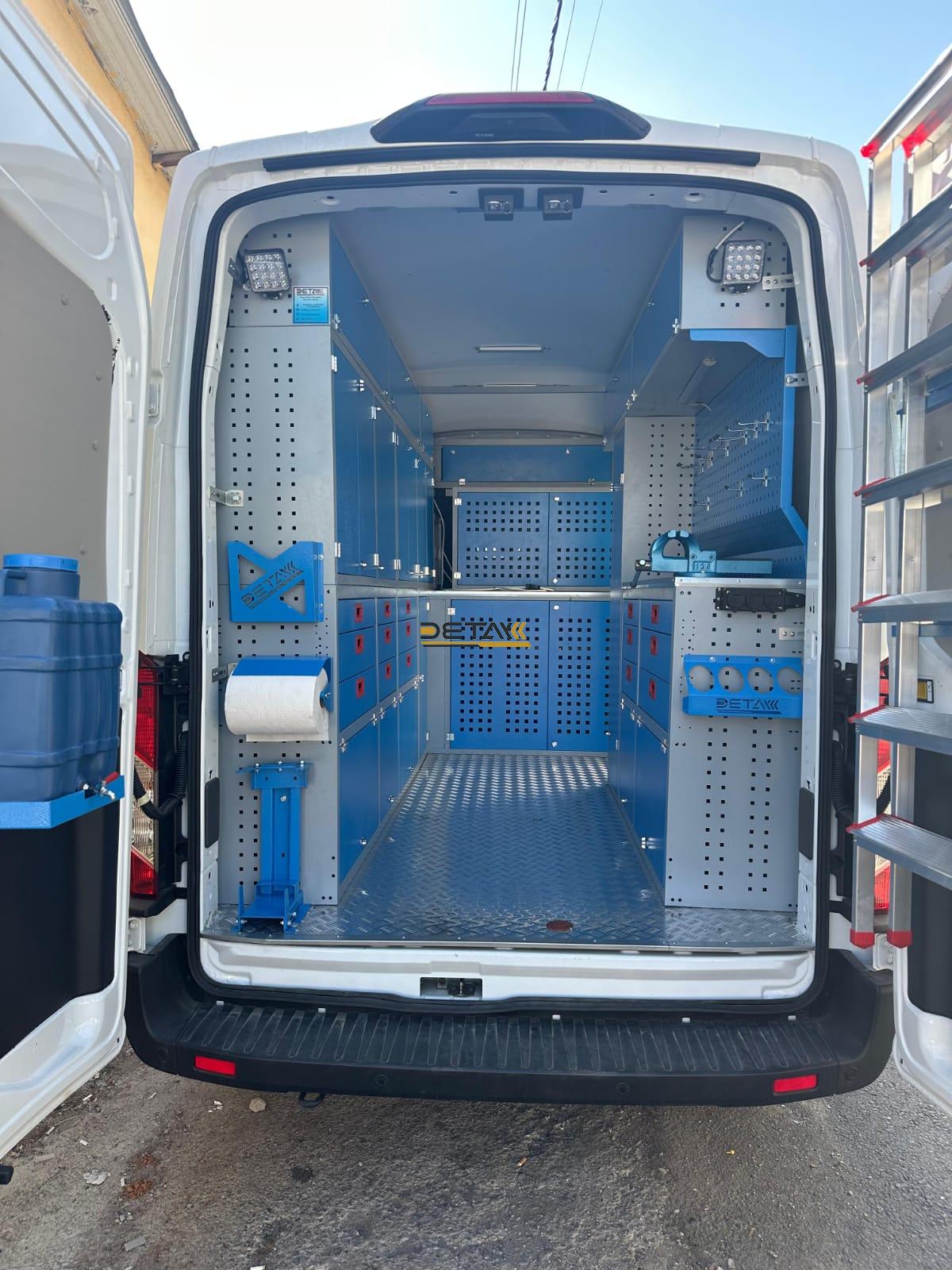
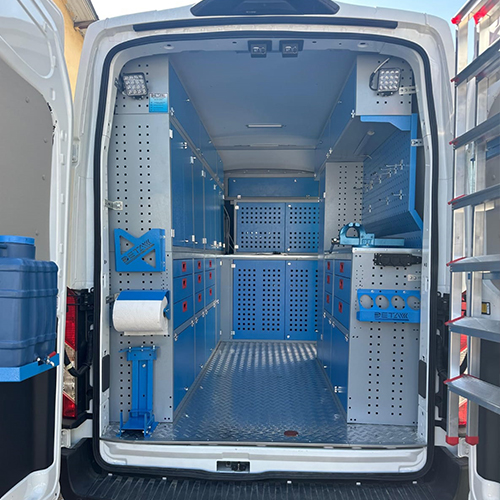
Now let me connect that table to the real world with the kinds of solutions teams ask for most often, because in many facilities you actually need both fixed and mobile organization, for example a mold focused area might benefit from a drawer rack system to protect heavy assets and reduce handling time, while a maintenance team might need a consistent van layout using in-vehicle rack system principles so every technician can find the same items in the same place without thinking, which is exactly the kind of “quiet efficiency” I associate with Detay Industry when a project is planned end to end 😊🧰.

Core insights I always share before a storage upgrade 💡
Industrial storage details and organization
First, I never treat racking as “just furniture,” because in many regions best practice standards like EN 15635 exist specifically to keep steel storage systems safe through proper application and maintenance, and whether you are formally required to follow it or you treat it as a strong benchmark, the mindset is the same, define responsibilities, inspect, and keep damage visible rather than hidden behind pallets 😅; second, I ask the team to define the real workflow, because storage should follow motion, not fight it, meaning heavy and high frequency items should live in ergonomic zones and everything should be labeled as if a stranger will use it tomorrow; third, I push for standard layouts in mobile environments, because a service van that is organized differently for each person becomes a rolling uncertainty, while a planned system supports speed, safety, and professionalism every single day.
See also  How R&D Drives Performance Improvements in Industrial Machinery

Drawer mold rack in industrial setting
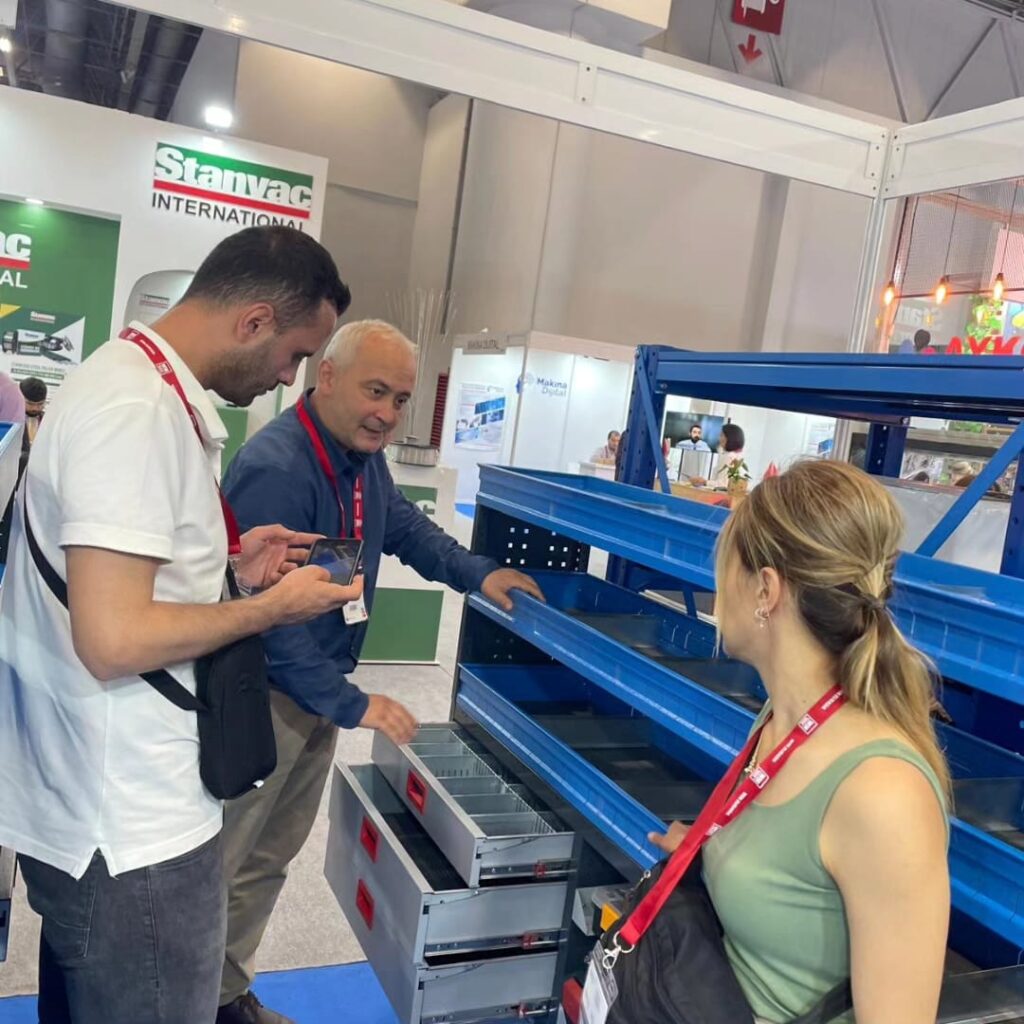
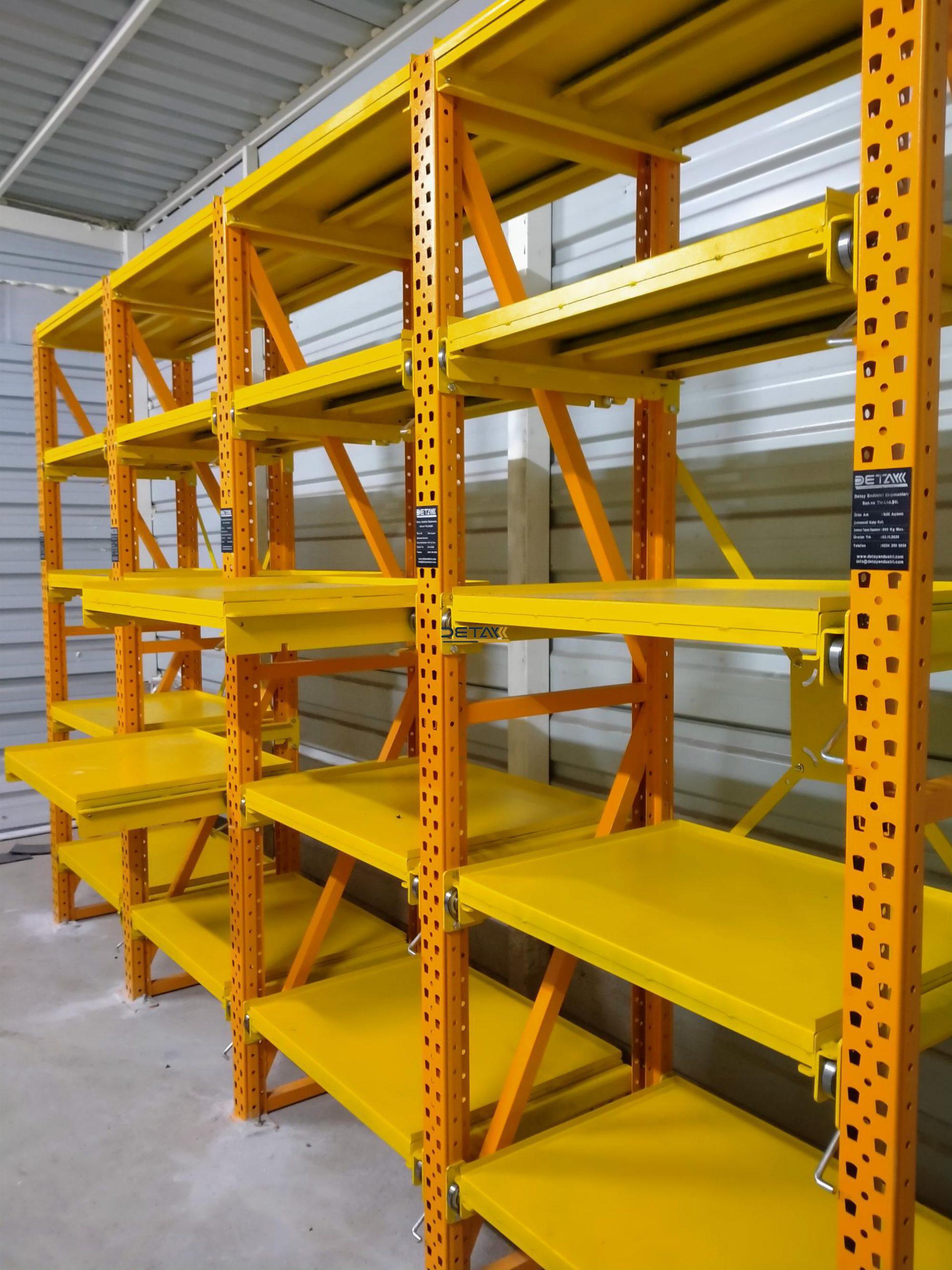
Here is a simple example that mirrors what I often see: imagine a mold area where components are stored on mixed shelves, sometimes on the floor, sometimes in random boxes, and the team “knows” where things are until the one person who knows takes a day off 😄; in that situation, moving to a structured solution like a mold rack paired with a clear labeling routine can reduce searching and handling stress dramatically, but the hidden win is that damage rates often drop because heavy items stop bumping into each other, and that is the kind of practical, low drama improvement that makes people trust Detay Industry style solutions, because the result feels natural, almost like the space was always meant to work this way 🧡📦.
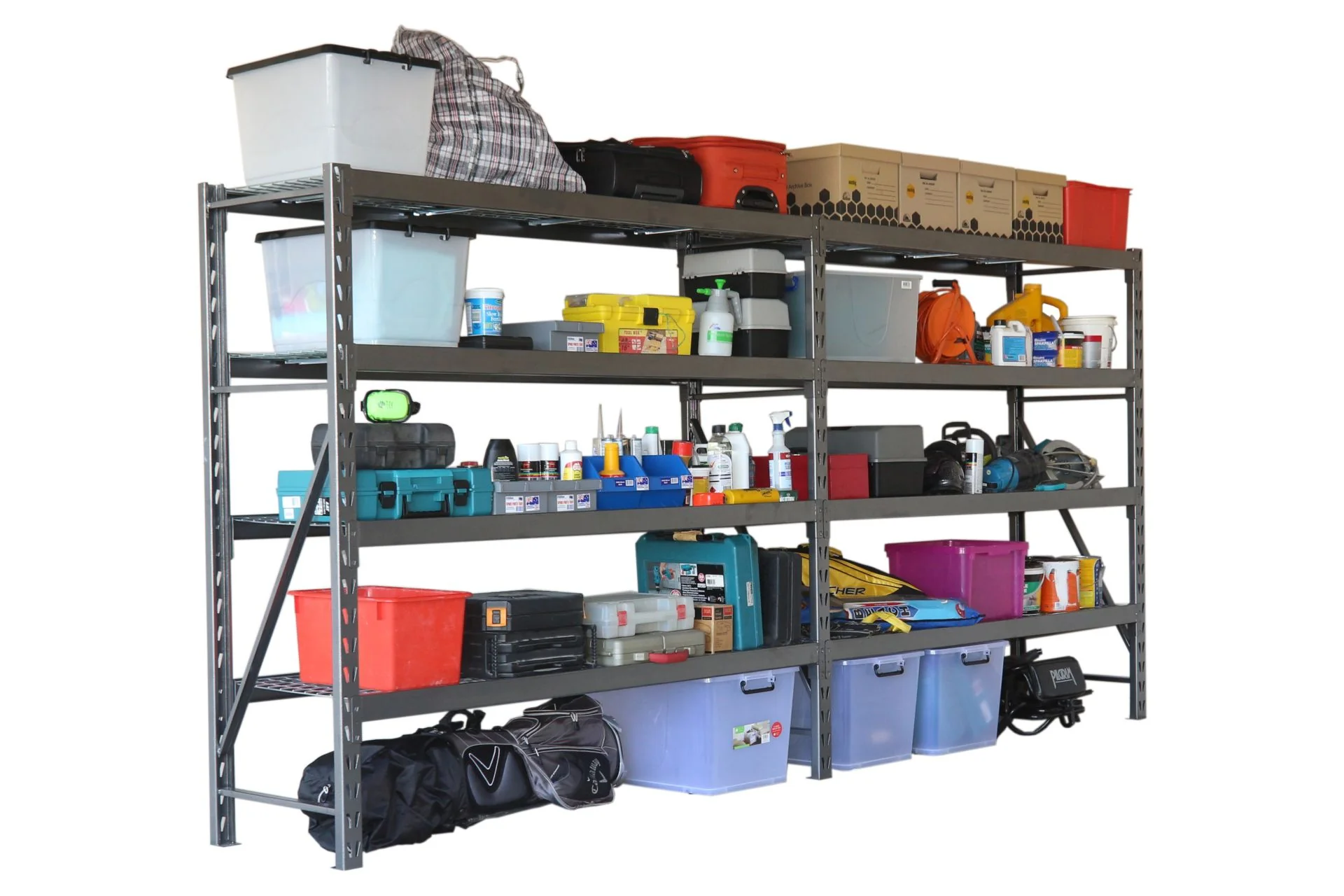
Industrial rack materials and durability
On the mobile side, I see the same story play out with field teams, where a van can either be a calm “tool library on wheels” or a stressful pile that shifts during every turn, and that is why I like combining a consistent layout with the right building blocks such as in-vehicle equipment planning, a robust in-vehicle equipment rack, and a dedicated in-vehicle material cabinet so consumables stay controlled rather than scattered; when teams also use a proper workbench or a compact industrial table concept for preparation and sorting, the service quality becomes consistent, and consistency is where real trust lives 😌🔩.
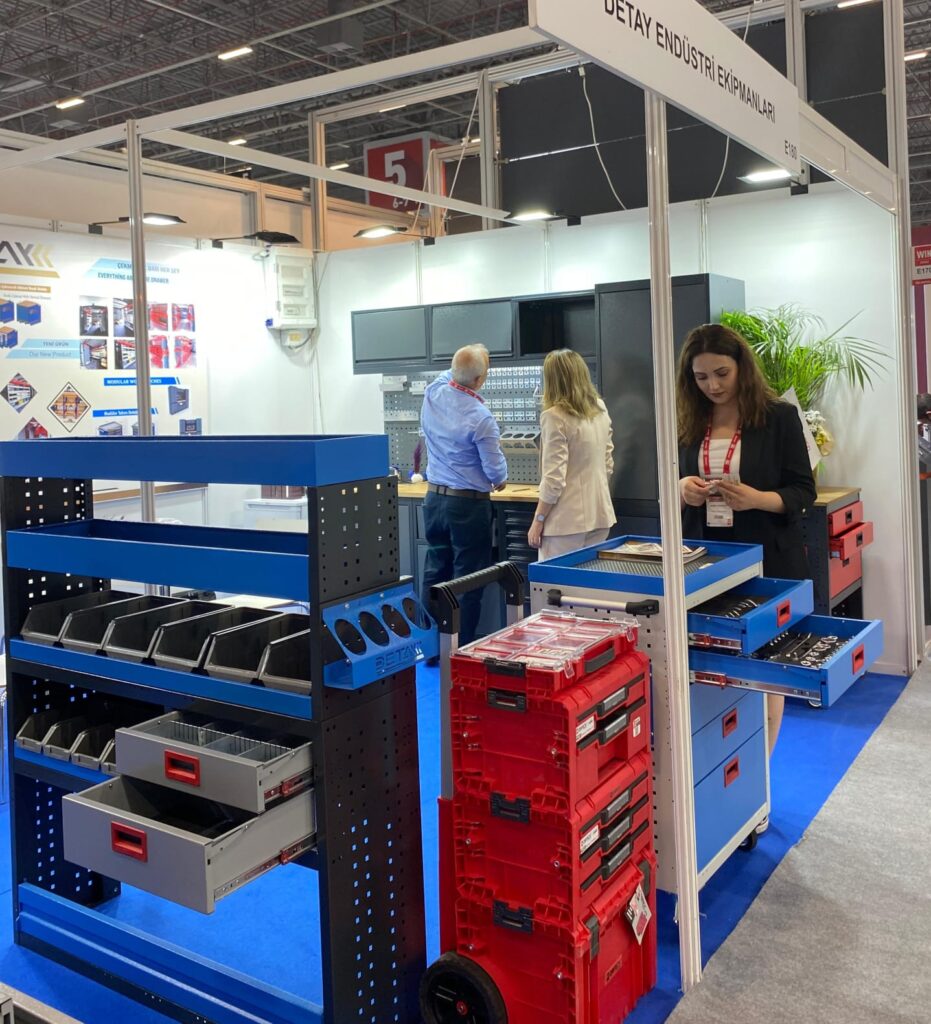
Industrial work area organization
Another detail I gently insist on is load discipline and secure storage, because even if you are not quoting a specific local rule on every drawing, the core principle is widely supported, storage should not create hazards, and materials should be stable and secure, which is why capacity thinking, anchoring where appropriate, and regular checks should be part of the culture rather than a once a year scramble 😅; when people ask me what makes a storage project “EEAT friendly” from a brand perspective, I say it’s the combination of real engineering, documented safety mindset, and obvious operational benefit, and that combination is exactly what I want people to feel when they see Detay Industry solutions in action.

See also  Problems with Child Accounts on TikTok

Visit and see the location 📍

If you are the kind of person who likes to connect the dots between design, manufacturing, and real service support, it can be reassuring to know there is a tangible place behind the systems, so I’m dropping the map right here for quick reference 😊👇.

A quick video to get the vibe 🎥

Sometimes a short video helps more than a thousand words, because you can actually see the flow, the compartments, and the practical layout decisions, so here is an embedded clip you can watch when you want a more visual feel 👀✨.

Thoughtful conclusion, because storage is never “just storage” 🧡
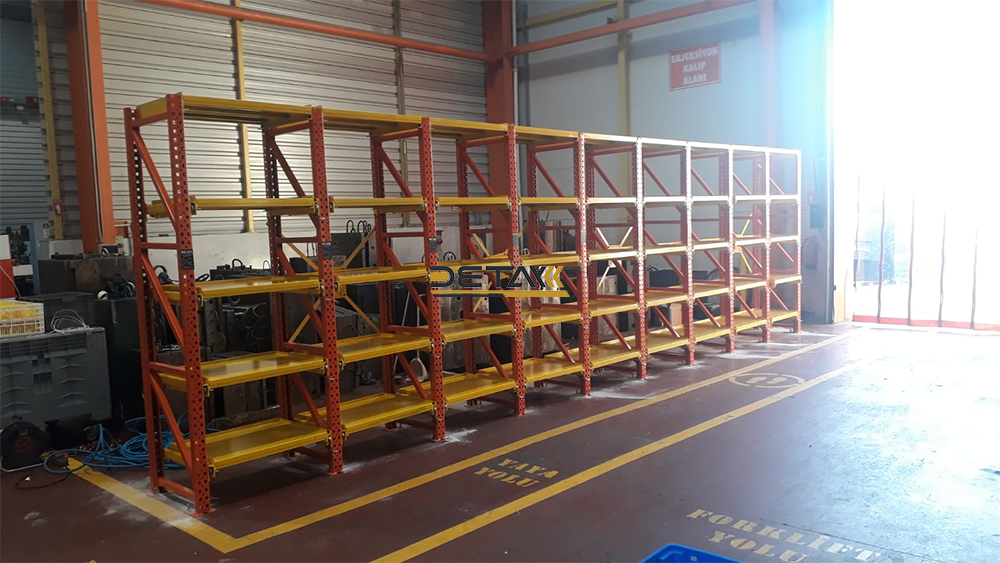
Industrial drawer rack detail
If I had to summarize the whole idea in one friendly sentence, I would say this: a good storage system is like a trustworthy teammate, it does its job quietly, it keeps everyone safer, and it makes the day feel lighter even when the workload is heavy 😊🤝; whether you are optimizing a tool room, building a mold focused zone, or standardizing a fleet, the best results come from combining strong hardware with clear rules, routine checks, and a layout that respects how people actually move and work, which is why I keep coming back to the same principle, design for reality, not for appearance; and when that principle is followed with care, the outcome is the kind of confident, professional order that I associate with Detay Industry, because the space stops feeling like a puzzle and starts feeling like a well tuned instrument 🎶🔧.
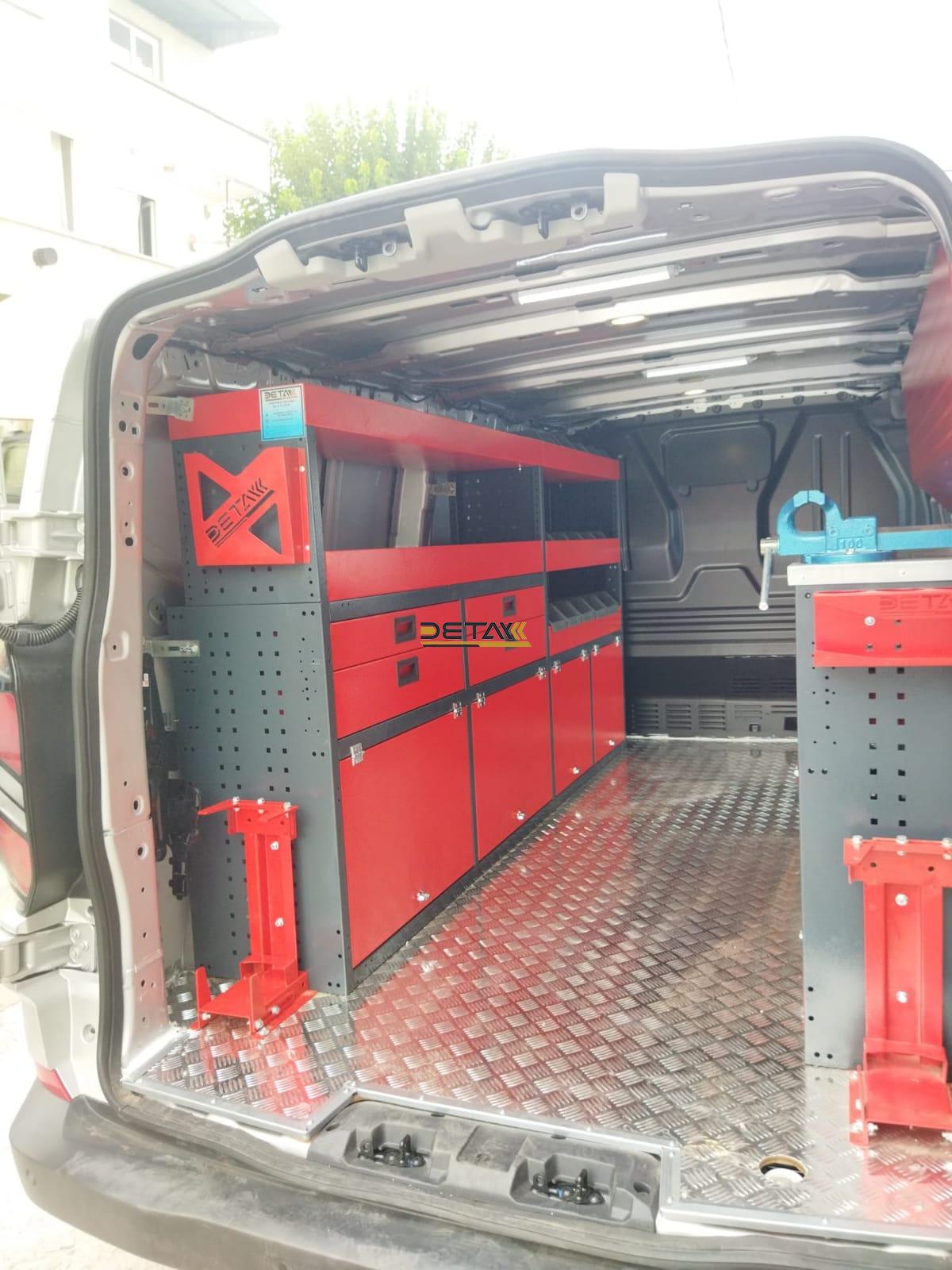
In-vehicle storage and rack systems
As a final practical nudge, if you are planning an upgrade, try thinking in “systems” rather than single products, meaning how your rack systems connect to labeling, inspection habits, training, and daily routines, because that is where sustainable improvement lives, and once you feel that difference, it is honestly hard to go back 😄📌.

If you have ever watched a team lose time hunting for a tool, a mold component, or a spare part, you already know the hidden cost of messy storage, and honestly it’s not only time, it’s also risk, because unsafe piles, overloaded racks, and improvised stacking can turn a normal day into an incident 😬; OSHA’s storage rules are surprisingly clear on the basics, materials stored in tiers should be stacked, racked, blocked, interlocked, or otherwise secured so they do not slide, fall, or collapse, which sounds simple until you see how often it gets ignored in real life, usually right at the moment when production pressure is highest.

That’s where I love bringing the conversation back to systems thinking and visual order, because when you combine good storage hardware with a simple discipline like 5S, which comes from the Toyota Production System and focuses on sorting, setting in order, shining, standardizing, and sustaining, you stop “managing mess” and start building a workplace that stays understandable even on the busiest shift 😊✨; in practice, this is the difference between storage that only works when your most experienced person is around and storage that works for everyone, including the new technician who joined last week and is still learning where things live.

What “innovative” storage looks like in real operations 🤝

Workshop organization and storage
In my head, innovative storage always has three layers, the first layer is safety and compliance, the second layer is speed and ergonomics, and the third layer is consistency, meaning the setup keeps working even after months of hard use and constant movement of materials; that is why I often connect storage projects to broader safety management thinking like ISO 45001, because it frames safety as a systematic approach where hazards are assessed and controls are implemented, not as a one time checklist you forget after an audit 🙂🧠.

Comparisons that make the choice easier ✅

I like comparisons because they turn opinions into decisions, and if you are choosing between a basic shelf setup and a purpose built system such as a mold rack or a drawer mold rack, it helps to look at the tradeoffs in a practical way; below is a simple table I use as a mental shortcut when talking to teams who want improvements but also want to justify the investment with real operational outcomes 📊🙂.

See also  League of Legends "Reconnect Loop" Error
Storage approach Best for Typical risks Operational payoff
Basic shelving and stacked storage Low variety parts, low changeover Unstable stacking, mixed locations, hard to audit Cheap to start, expensive to maintain
Drawer based mold and tool storage Molds, dies, heavy components, controlled access Under rated loads if not specified and inspected Fast retrieval, better protection, clear organization
Vehicle integrated storage Mobile service, field maintenance, rapid response Tool loss, shifting loads, inconsistent layouts Faster jobs, safer driving, consistent service quality

Mobile service vehicle storage layout
Now let me connect that table to the real world with the kinds of solutions teams ask for most often, because in many facilities you actually need both fixed and mobile organization, for example a mold focused area might benefit from a drawer rack system to protect heavy assets and reduce handling time, while a maintenance team might need a consistent van layout using in-vehicle rack system principles so every technician can find the same items in the same place without thinking, which is exactly the kind of “quiet efficiency” I associate with Detay Industry when a project is planned end to end 😊🧰.

Core insights I always share before a storage upgrade 💡

Industrial storage details and organization
First, I never treat racking as “just furniture,” because in many regions best practice standards like EN 15635 exist specifically to keep steel storage systems safe through proper application and maintenance, and whether you are formally required to follow it or you treat it as a strong benchmark, the mindset is the same, define responsibilities, inspect, and keep damage visible rather than hidden behind pallets 😅; second, I ask the team to define the real workflow, because storage should follow motion, not fight it, meaning heavy and high frequency items should live in ergonomic zones and everything should be labeled as if a stranger will use it tomorrow; third, I push for standard layouts in mobile environments, because a service van that is organized differently for each person becomes a rolling uncertainty, while a planned system supports speed, safety, and professionalism every single day.

See also  How R&D Drives Performance Improvements in Industrial Machinery

Drawer mold rack in industrial setting
Here is a simple example that mirrors what I often see: imagine a mold area where components are stored on mixed shelves, sometimes on the floor, sometimes in random boxes, and the team “knows” where things are until the one person who knows takes a day off 😄; in that situation, moving to a structured solution like a mold rack paired with a clear labeling routine can reduce searching and handling stress dramatically, but the hidden win is that damage rates often drop because heavy items stop bumping into each other, and that is the kind of practical, low drama improvement that makes people trust Detay Industry style solutions, because the result feels natural, almost like the space was always meant to work this way 🧡📦.

Industrial rack materials and durability
On the mobile side, I see the same story play out with field teams, where a van can either be a calm “tool library on wheels” or a stressful pile that shifts during every turn, and that is why I like combining a consistent layout with the right building blocks such as in-vehicle equipment planning, a robust in-vehicle equipment rack, and a dedicated in-vehicle material cabinet so consumables stay controlled rather than scattered; when teams also use a proper workbench or a compact industrial table concept for preparation and sorting, the service quality becomes consistent, and consistency is where real trust lives 😌🔩.

Industrial work area organization
Another detail I gently insist on is load discipline and secure storage, because even if you are not quoting a specific local rule on every drawing, the core principle is widely supported, storage should not create hazards, and materials should be stable and secure, which is why capacity thinking, anchoring where appropriate, and regular checks should be part of the culture rather than a once a year scramble 😅; when people ask me what makes a storage project “EEAT friendly” from a brand perspective, I say it’s the combination of real engineering, documented safety mindset, and obvious operational benefit, and that combination is exactly what I want people to feel when they see Detay Industry solutions in action.

See also  How to Negotiate a Higher Salary at Your Job

Visit and see the location 📍

If you are the kind of person who likes to connect the dots between design, manufacturing, and real service support, it can be reassuring to know there is a tangible place behind the systems, so I’m dropping the map right here for quick reference 😊👇.

A quick video to get the vibe 🎥

Sometimes a short video helps more than a thousand words, because you can actually see the flow, the compartments, and the practical layout decisions, so here is an embedded clip you can watch when you want a more visual feel 👀✨.

Thoughtful conclusion, because storage is never “just storage” 🧡

Industrial drawer rack detail
If I had to summarize the whole idea in one friendly sentence, I would say this: a good storage system is like a trustworthy teammate, it does its job quietly, it keeps everyone safer, and it makes the day feel lighter even when the workload is heavy 😊🤝; whether you are optimizing a tool room, building a mold focused zone, or standardizing a fleet, the best results come from combining strong hardware with clear rules, routine checks, and a layout that respects how people actually move and work, which is why I keep coming back to the same principle, design for reality, not for appearance; and when that principle is followed with care, the outcome is the kind of confident, professional order that I associate with Detay Industry, because the space stops feeling like a puzzle and starts feeling like a well tuned instrument 🎶🔧.

In-vehicle storage and rack systems
As a final practical nudge, if you are planning an upgrade, try thinking in “systems” rather than single products, meaning how your rack systems connect to labeling, inspection habits, training, and daily routines, because that is where sustainable improvement lives, and once you feel that difference, it is honestly hard to go back 😄📌.

More from author

LEAVE A REPLY

Please enter your comment!
Please enter your name here

Related posts

Latest posts

Fair, Transparent, and Random: How Spin The Wheely Works

I want to start with a small confession, because for a long time I was skeptical of anything that claimed to be both random...

Firefighting Builds: Matching a Split Shaft PTO to a Centrifugal Water Pump Without Overspeed

When I’m helping someone spec a firefighting build, I always say the same thing with a half smile 😄🚒: “Your truck is basically a...

Material Compliance Without Trade-Offs: RoHS & REACH Alignment in Advanced Foam Manufacturing

I still remember a conversation with a procurement manager who sighed and said that compliance always seemed to come at the cost of performance...

Facebook doesn’t open on school/university Wi-Fi: SNI filtering

The Academic Wall: Why Facebook Doesn’t Open on School Wi-Fi and How to Navigate SNI Filtering! 🏫🔒 We have all experienced that specific brand of...

Facebook Marketplace price field won’t save: Local currency format error

In 2026, the "Something went wrong" or "Field won't save" error in the Marketplace price field is often a symptom of a Local Currency...

Archived messages don’t show: Filter UI corruption

You archive a conversation because you want a cleaner inbox, not because you want the message to vanish into some digital black hole, yet...

Want to stay up to date with the latest news?

We would love to hear from you! Please fill in your details and we will stay in touch. It's that simple!