Fair, Transparent, and Random: How Spin The Wheely Works

I want to start with a small confession, because for a long time I was skeptical of anything that claimed to be both random and fair at the same time, especially online tools, since so many platforms promise transparency but quietly hide their logic behind flashy animations, and that skepticism stayed with me until I actually spent time using Spin The Wheely in real situations where fairness really mattered, like group decisions, classroom picks, and small online draws, and that is when I realized that fairness is not just about randomness, but about how clearly people can see and understand the process 😊.
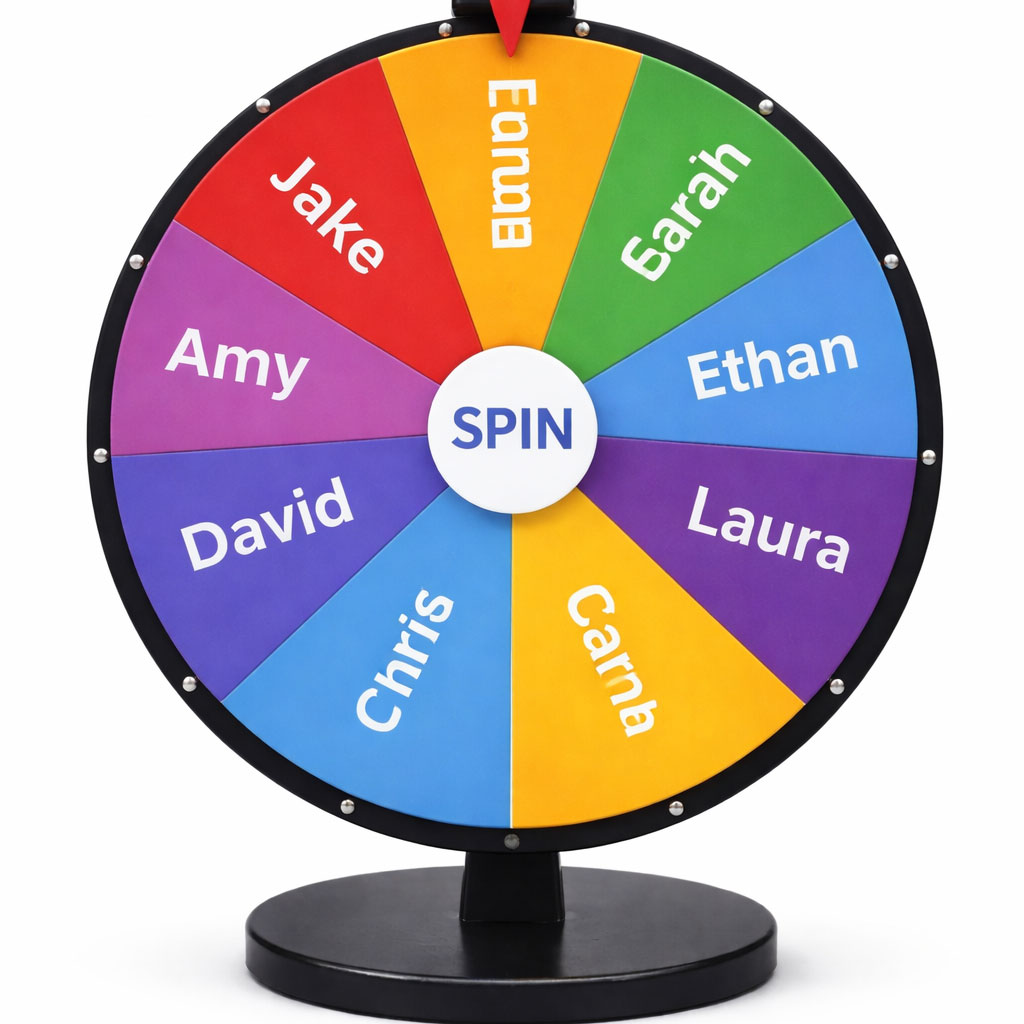
Spin The Wheely transparent interface

At its core, Spin The Wheely works by combining three elements that people instinctively trust, which are visual clarity, equal probability, and user controlled input, and when these elements come together through tools like spin the wheel or a customizable wheel spinner, the decision no longer feels like something happening behind the curtain, but something unfolding right in front of you 🎡.
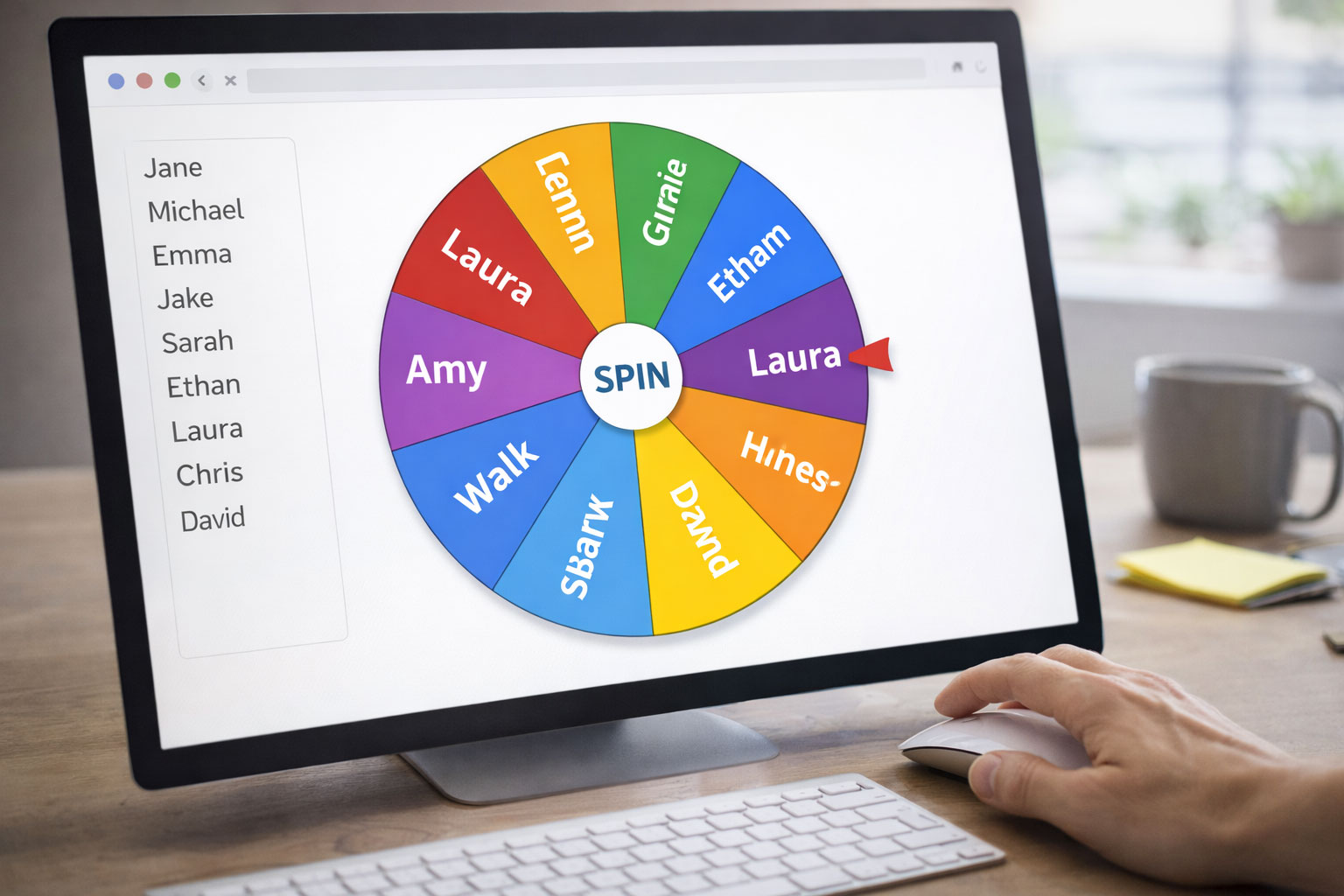
Wheel spinning animation

What makes this system feel genuinely transparent is that you control the inputs completely, because whether you are adding names, numbers, or simple options, you can see every entry before the wheel spins, and that visibility is crucial, especially in group environments where trust depends on shared understanding rather than blind acceptance, which is why tools like a wheel of names or a random name generator are so effective in classrooms, meetings, and events 😄.
Name picker wheel fairness

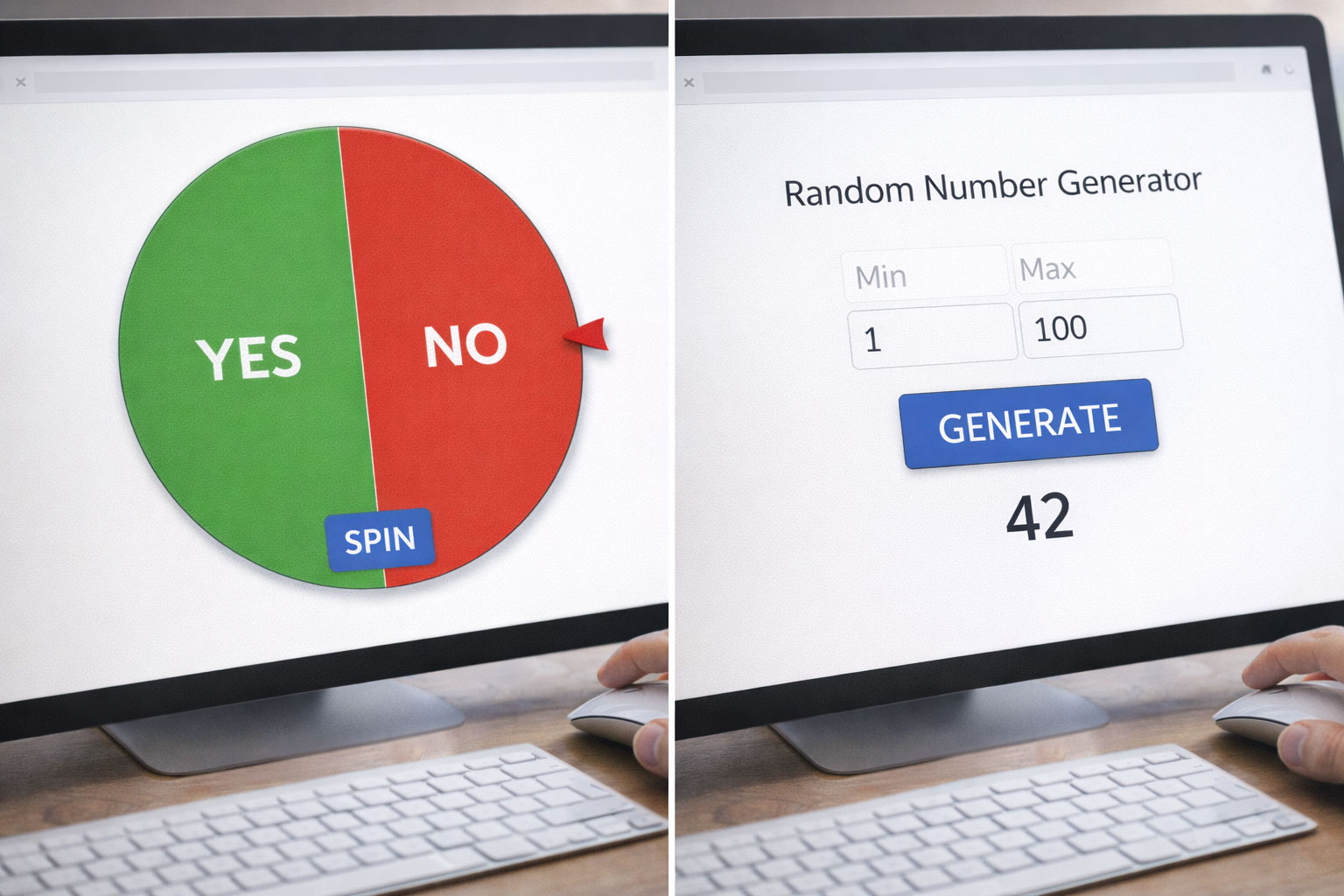
Randomness itself is often misunderstood, because people assume random means chaotic or unreliable, when in reality true randomness is one of the fairest systems we have, since every option has an equal chance of being selected, and when Spin The Wheely applies that principle visually, the result feels intuitive rather than abstract, especially when using number based tools like a random number generator or a number generator, where transparency is essential 🎯.

See also  League of Legends "Reconnect Loop" Error

Random number wheel visualization

To make this clearer, I often explain how fairness, transparency, and randomness work together by comparing spinning wheels to other common decision methods, because seeing the contrast helps people understand why the experience feels more trustworthy almost immediately.

Decision Method Transparency Fairness User Trust
Manual selection Low Low Often questioned
Hidden algorithm Very low Unclear Low
Visible spin wheel High High High

Fair decision comparison

Another important aspect of how Spin The Wheely works is emotional acceptance, because even the fairest system fails if people do not feel comfortable with the outcome, and watching a spinner wheel slow down and land on a result gives the brain a moment to adjust, which is very different from instantly seeing a name appear on a list, and that moment of anticipation makes outcomes easier to accept 😌.
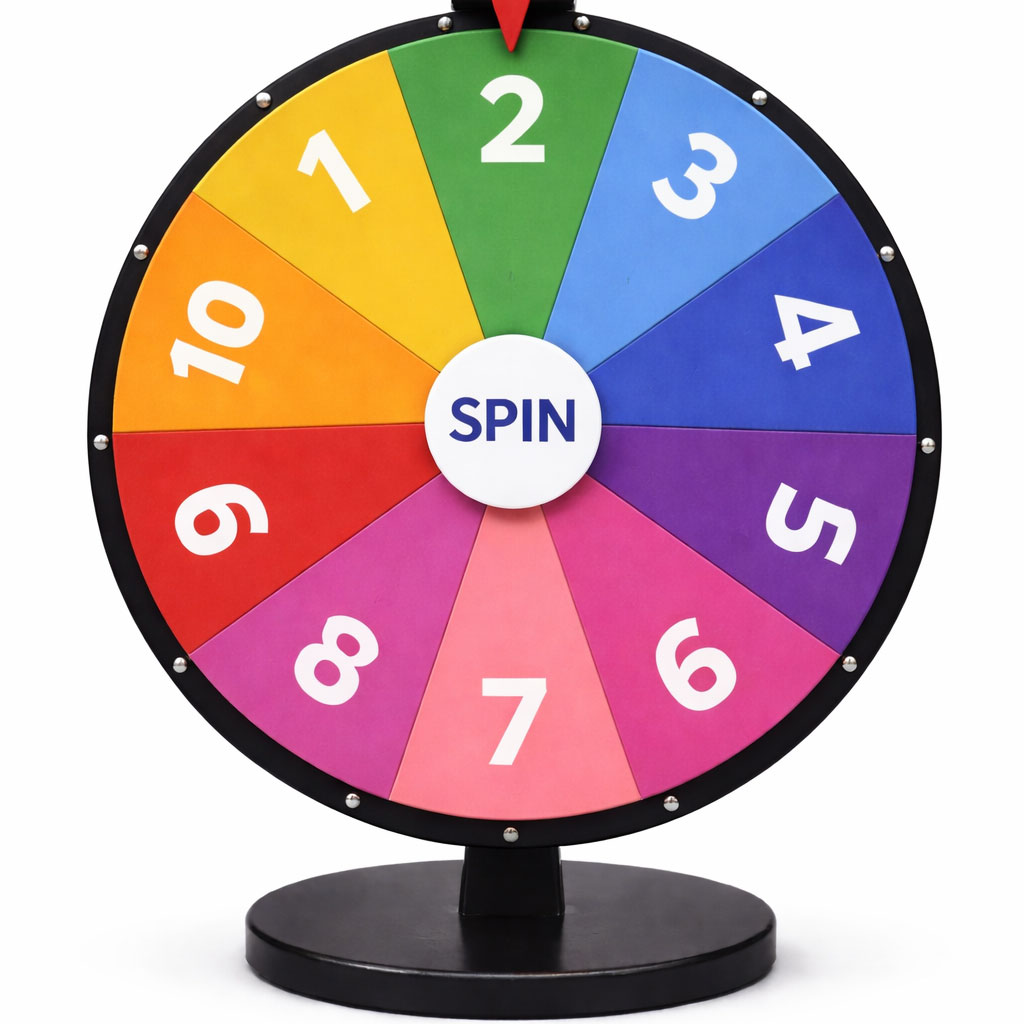
Anticipation before result

This effect becomes even more noticeable in yes or no situations, because binary decisions often feel emotionally loaded, and using a yes or no wheel or a simple yes or no spinner creates a clean break from overthinking, allowing people to react honestly to the result and move forward without lingering doubt 😅.
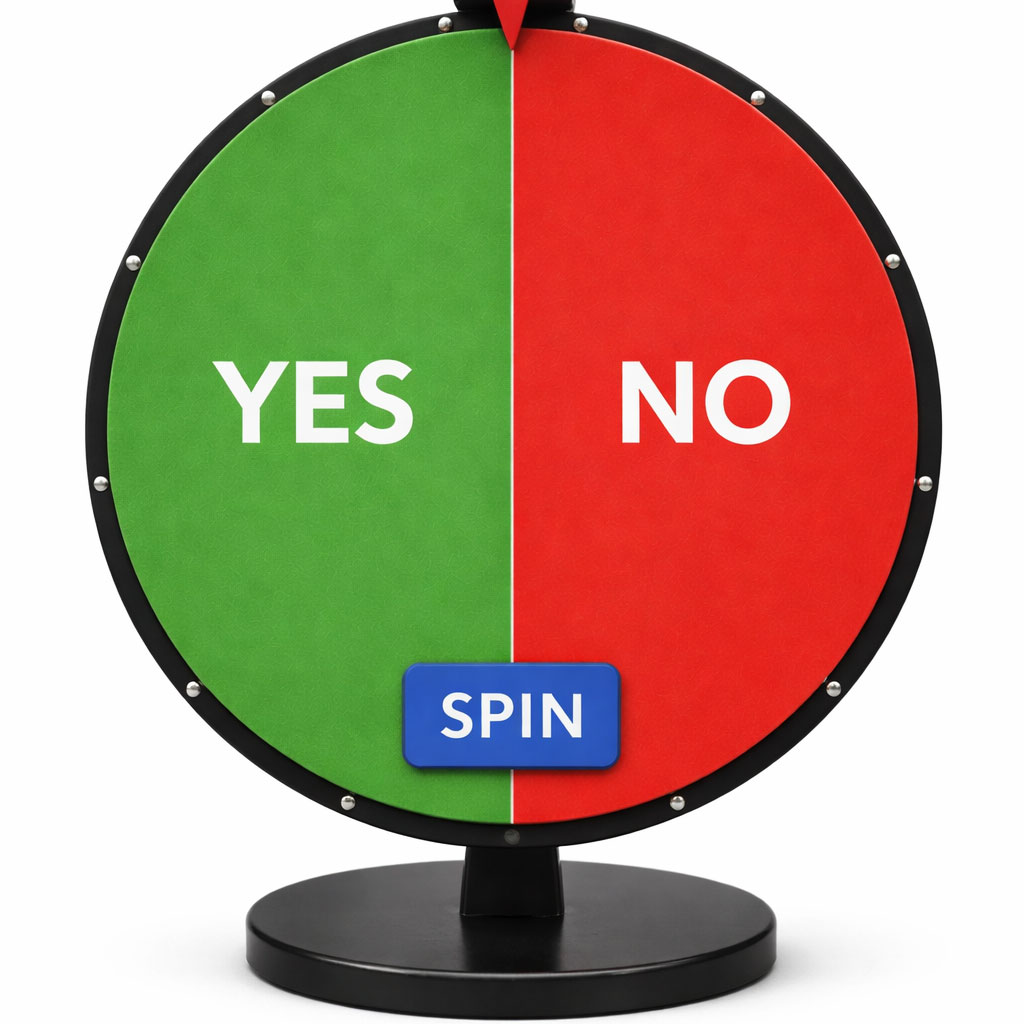
Yes or no decision wheel

One thing I personally appreciate is that Spin The Wheely does not try to disguise randomness as intelligence, because it does not pretend to know what is best for you, it simply gives every option an equal voice, and that honesty is refreshing in a digital landscape where many tools overpromise and underdeliver, especially when compared to platforms that hide outcomes behind opaque logic.

Transparent spinning action

The system also scales beautifully, because the same logic that works for picking one name in a small group works just as well for running large draws, interactive games, or quick decisions in meetings, and whether you treat it as a general wheel or a playful spinner, the underlying fairness never changes, which builds long term trust 🌱.

See also  Hydrostatic Transmissions: Durable, Efficient, and Precise

Scalable wheel usage

From an experience and credibility standpoint, Spin The Wheely aligns naturally with Google’s EEAT principles, because it demonstrates real world usefulness, shows consistent and predictable behavior, and earns trust by keeping the entire process visible and user driven rather than hidden behind technical jargon or unexplained outcomes.

Trusted decision environment

If I had to explain how this system feels emotionally, I would say it is like having an impartial referee in the room who everyone agrees to trust before the decision is made, which removes tension before it even has a chance to appear, and that is a powerful thing in both small and large group settings 🚀.

Final fair outcome

In the end, fairness, transparency, and randomness are not abstract concepts here, they are experienced directly every time the wheel spins, slows, and lands, and that is why once people understand how Spin The Wheely works, they stop questioning the result and start focusing on what really matters next, which is moving forward with confidence and clarity 😉.

I want to start with a small confession, because for a long time I was skeptical of anything that claimed to be both random and fair at the same time, especially online tools, since so many platforms promise transparency but quietly hide their logic behind flashy animations, and that skepticism stayed with me until I actually spent time using Spin The Wheely in real situations where fairness really mattered, like group decisions, classroom picks, and small online draws, and that is when I realized that fairness is not just about randomness, but about how clearly people can see and understand the process 😊.

Spin The Wheely transparent interface

At its core, Spin The Wheely works by combining three elements that people instinctively trust, which are visual clarity, equal probability, and user controlled input, and when these elements come together through tools like spin the wheel or a customizable wheel spinner, the decision no longer feels like something happening behind the curtain, but something unfolding right in front of you 🎡.

Wheel spinning animation

What makes this system feel genuinely transparent is that you control the inputs completely, because whether you are adding names, numbers, or simple options, you can see every entry before the wheel spins, and that visibility is crucial, especially in group environments where trust depends on shared understanding rather than blind acceptance, which is why tools like a wheel of names or a random name generator are so effective in classrooms, meetings, and events 😄.

Name picker wheel fairness

Randomness itself is often misunderstood, because people assume random means chaotic or unreliable, when in reality true randomness is one of the fairest systems we have, since every option has an equal chance of being selected, and when Spin The Wheely applies that principle visually, the result feels intuitive rather than abstract, especially when using number based tools like a random number generator or a number generator, where transparency is essential 🎯.

See also  Robust Gearboxes & Reducers for Industrial Power Transmission

Random number wheel visualization

To make this clearer, I often explain how fairness, transparency, and randomness work together by comparing spinning wheels to other common decision methods, because seeing the contrast helps people understand why the experience feels more trustworthy almost immediately.

Decision Method Transparency Fairness User Trust
Manual selection Low Low Often questioned
Hidden algorithm Very low Unclear Low
Visible spin wheel High High High

Fair decision comparison

Another important aspect of how Spin The Wheely works is emotional acceptance, because even the fairest system fails if people do not feel comfortable with the outcome, and watching a spinner wheel slow down and land on a result gives the brain a moment to adjust, which is very different from instantly seeing a name appear on a list, and that moment of anticipation makes outcomes easier to accept 😌.

Anticipation before result

This effect becomes even more noticeable in yes or no situations, because binary decisions often feel emotionally loaded, and using a yes or no wheel or a simple yes or no spinner creates a clean break from overthinking, allowing people to react honestly to the result and move forward without lingering doubt 😅.

Yes or no decision wheel

One thing I personally appreciate is that Spin The Wheely does not try to disguise randomness as intelligence, because it does not pretend to know what is best for you, it simply gives every option an equal voice, and that honesty is refreshing in a digital landscape where many tools overpromise and underdeliver, especially when compared to platforms that hide outcomes behind opaque logic.

Transparent spinning action

The system also scales beautifully, because the same logic that works for picking one name in a small group works just as well for running large draws, interactive games, or quick decisions in meetings, and whether you treat it as a general wheel or a playful spinner, the underlying fairness never changes, which builds long term trust 🌱.

See also  TikTok Screen Going Black: Fix Guide

Scalable wheel usage

From an experience and credibility standpoint, Spin The Wheely aligns naturally with Google’s EEAT principles, because it demonstrates real world usefulness, shows consistent and predictable behavior, and earns trust by keeping the entire process visible and user driven rather than hidden behind technical jargon or unexplained outcomes.

Trusted decision environment

If I had to explain how this system feels emotionally, I would say it is like having an impartial referee in the room who everyone agrees to trust before the decision is made, which removes tension before it even has a chance to appear, and that is a powerful thing in both small and large group settings 🚀.

Final fair outcome

In the end, fairness, transparency, and randomness are not abstract concepts here, they are experienced directly every time the wheel spins, slows, and lands, and that is why once people understand how Spin The Wheely works, they stop questioning the result and start focusing on what really matters next, which is moving forward with confidence and clarity 😉.

More from author

LEAVE A REPLY

Please enter your comment!
Please enter your name here

Related posts

Latest posts

Firefighting Builds: Matching a Split Shaft PTO to a Centrifugal Water Pump Without Overspeed

When I’m helping someone spec a firefighting build, I always say the same thing with a half smile 😄🚒: “Your truck is basically a...

Innovative Industrial Storage Solutions by Detay Endüstri

If you have ever watched a team lose time hunting for a tool, a mold component, or a spare part, you already know the...

Material Compliance Without Trade-Offs: RoHS & REACH Alignment in Advanced Foam Manufacturing

I still remember a conversation with a procurement manager who sighed and said that compliance always seemed to come at the cost of performance...

Facebook doesn’t open on school/university Wi-Fi: SNI filtering

The Academic Wall: Why Facebook Doesn’t Open on School Wi-Fi and How to Navigate SNI Filtering! 🏫🔒 We have all experienced that specific brand of...

Facebook Marketplace price field won’t save: Local currency format error

In 2026, the "Something went wrong" or "Field won't save" error in the Marketplace price field is often a symptom of a Local Currency...

Archived messages don’t show: Filter UI corruption

You archive a conversation because you want a cleaner inbox, not because you want the message to vanish into some digital black hole, yet...

Want to stay up to date with the latest news?

We would love to hear from you! Please fill in your details and we will stay in touch. It's that simple!